Why Is Your Lizard Glass Surfing? A Complete Guide to Understanding and Stopping It

What Is Glass Surfing?
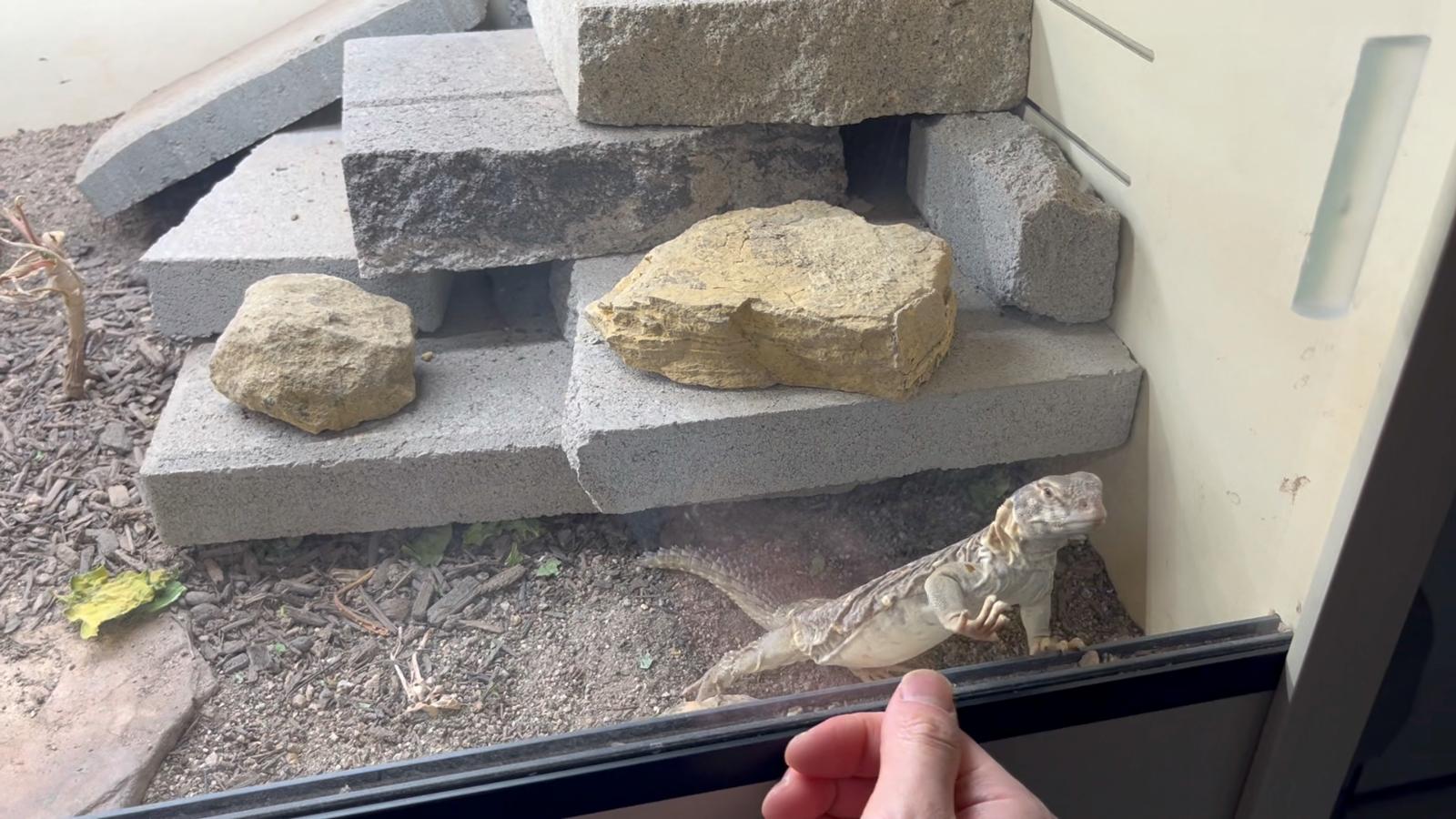
Glass surfing looks exactly like it sounds. Your lizard stands on its hind legs, belly pressed against the glass, with its little legs paddling like it’s trying to surf up the side of the tank.
You’ll see them frantically pacing back and forth, scratching at the glass, and sometimes even doing this for hours at a time. It drove me crazy when my year-old Egyptian uromastyx would do it for hours until I realized the problem.
It might look cute or funny at first, but here’s the truth: glass surfing is a stress response. Your lizard isn’t playing or exercising. They’re trying to tell you that something is bothering them.
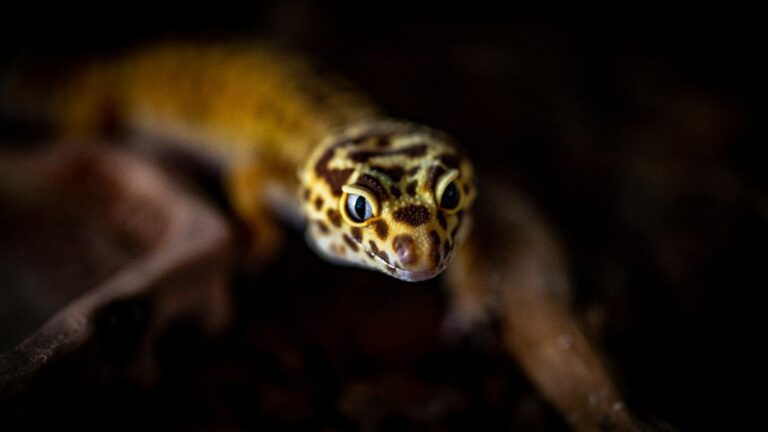
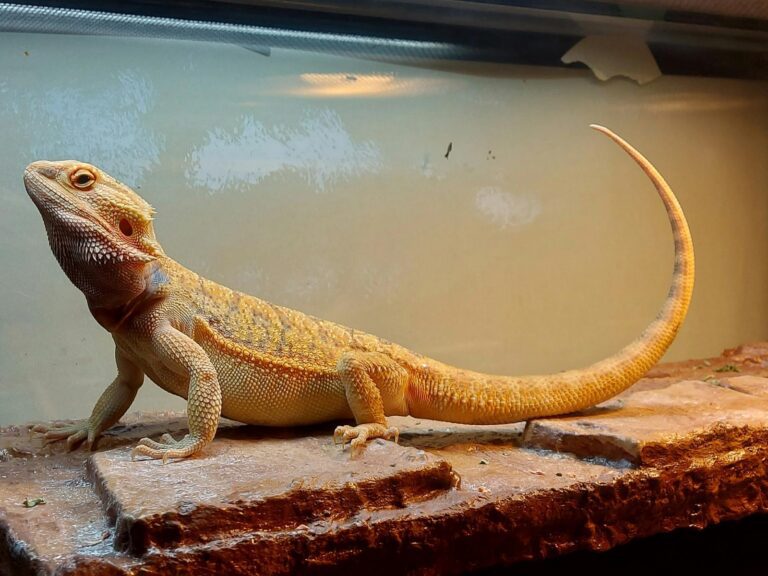
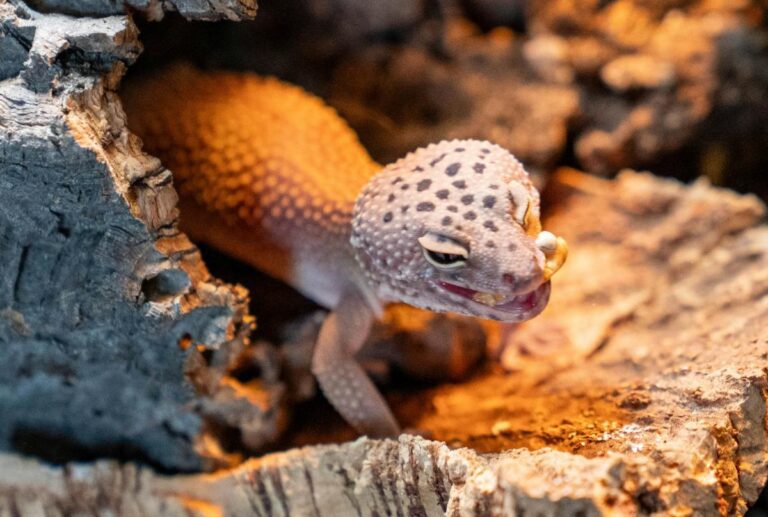
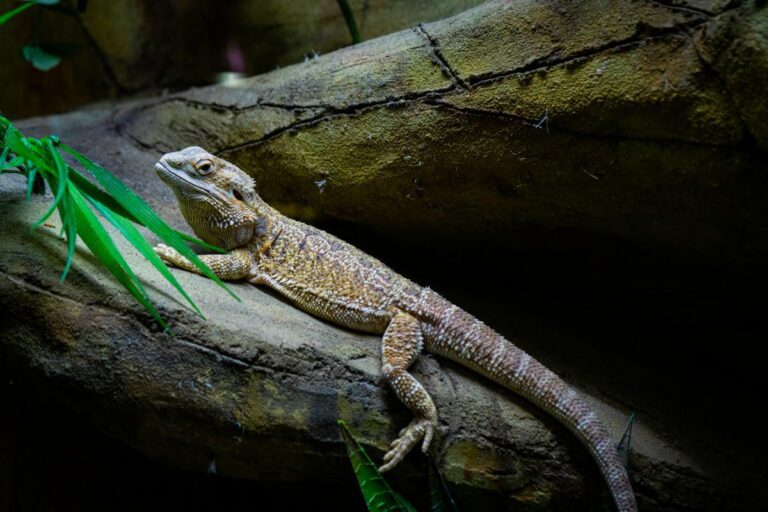
This behavior shows up in bearded dragons, leopard geckos, and many other lizards kept in a glass or acrylic enclosure. The key is figuring out what’s causing the stress so you can help your pet feel safe again.
Common Reasons Your Lizard Is Glass Surfing
Let’s break down the most common causes. In my experience keeping reptiles for years, these issues account for about 90% of glass surfing cases.
1. They’re Hungry (The Best-Case Scenario)
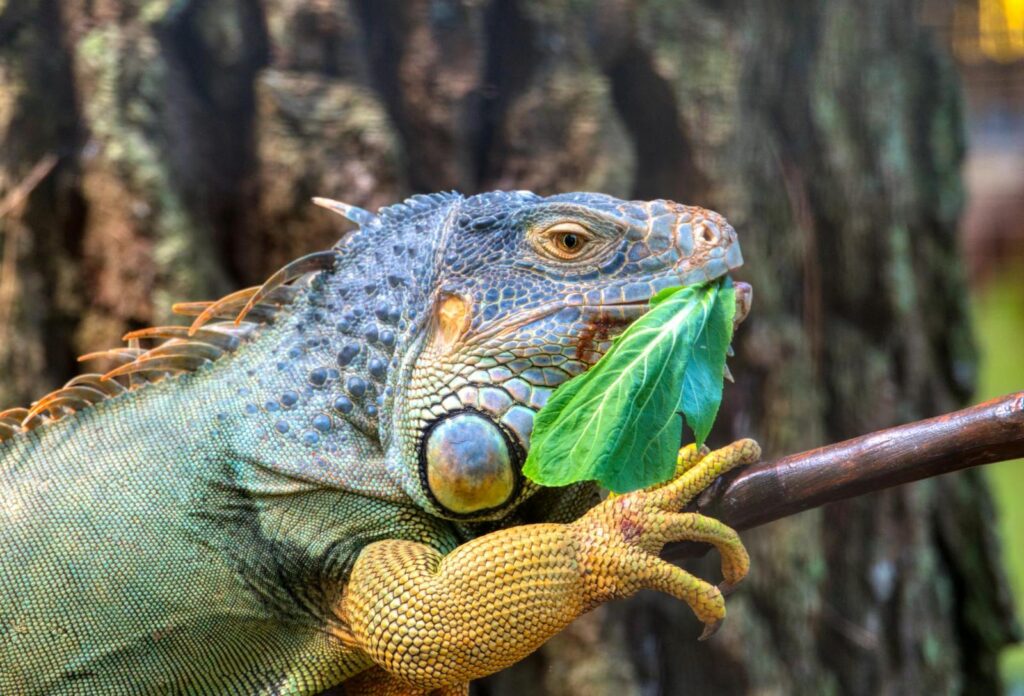
This is actually the easiest problem to solve! Many lizards will glass surf around their regular feeding time, especially if you’ve established a consistent schedule. They’ve learned that food shows up at a certain time, and when they’re hungry, they’ll let you know.
Some lizards will even stare at you with pleading eyes or move toward their food dish when you’re nearby, almost like a dog begging at the dinner table. If your lizard starts pacing and scratching about an hour before their usual mealtime, hunger is probably the culprit.
The fix: Simply feed them! If they’re still glass surfing after eating, offer a bit more food. Make sure you’re feeding appropriate portion sizes for your lizard’s age—juveniles typically need daily feeding, while adults might only need food every other day or a few times per week.
2. The Tank Is Too Hot (Or Has Poor Temperature Zones)
Temperature problems are one of the biggest causes of glass surfing. Lizards can’t regulate their own body temperature like we do. They depend entirely on their environment.
If your tank is too hot overall, or if there’s nowhere for your lizard to escape the heat, they’ll desperately try to get out. Think about it: if you were stuck in a sauna with no way to cool down, you’d be clawing at the door too!
Here’s what proper temperature zones should look like:
- Basking spot: Hot enough for digestion (varies by species, but bearded dragons need 95-110°F, leopard geckos need 88-92°F)
- Cool side: Significantly cooler for temperature regulation (usually 75-85°F depending on species)
- Gradient: A smooth transition between hot and cool areas
The fix: Get yourself two essential tools: a temperature gun (infrared thermometer) and stick-on thermometers for ambient air temperature. Check multiple spots in the tank. If everything’s equally hot with nowhere to cool down, your lizard will be miserable. Adjust your heat lamp wattage, reposition it to one side of the tank, or add more hiding spots on the cool side.
3. They Just Pooped (And Want You to Clean It Up!)
This one surprised me when I first learned it, but it makes total sense. Lizard poop smells awful, and many lizards absolutely hate being stuck in an enclosure with their own waste.
Some lizards will start glass surfing immediately after using the bathroom as a signal to their owner to clean it up. It’s basically their way of saying, “Hey, I made a mess, and I don’t want to live with this smell!”
Pro tip: If your lizard looks extra vibrant with bright, clear colors while glass surfing, they probably just went to the bathroom. Many lizards appear brighter and less stressed-looking right after pooping.
The fix: Check the tank for waste. If you find any, clean it up right away. Some owners even train their lizards to poop outside the enclosure by taking them out at regular times (like a morning soak in lukewarm water).
4. They Can See Something They Want (Or Something That Scares Them)
Lizards have excellent vision, and sometimes they’re reacting to things outside their enclosure. This could be:
- Prey animals: If they can see the cricket container, dubia roach colony, or any insects outside the tank, they’ll go crazy trying to hunt them down
- Their reflection: Some lizards see their own reflection and think it’s a rival lizard invading their territory
- Other pets: Dogs, cats, or other reptiles visible from the tank can trigger stress responses
- Wild insects: A fly buzzing past the tank in summer can set off their hunting instincts
The fix: Take a look around your reptile room. Can your lizard see food containers? Move them out of sight. Are there reflections in the glass at certain times of day? Add a background to the sides and back of the tank using black poster board, aquarium backgrounds, or even old bedsheets. Block their view of anything that might be triggering the behavior.
5. The Enclosure Is Too Small
A full-grown lizard needs room to move. If your bearded dragon, blue-tongued skink, or other larger lizard is in a tank that’s too cramped, glass surfing is their way of saying, “I need more space!”
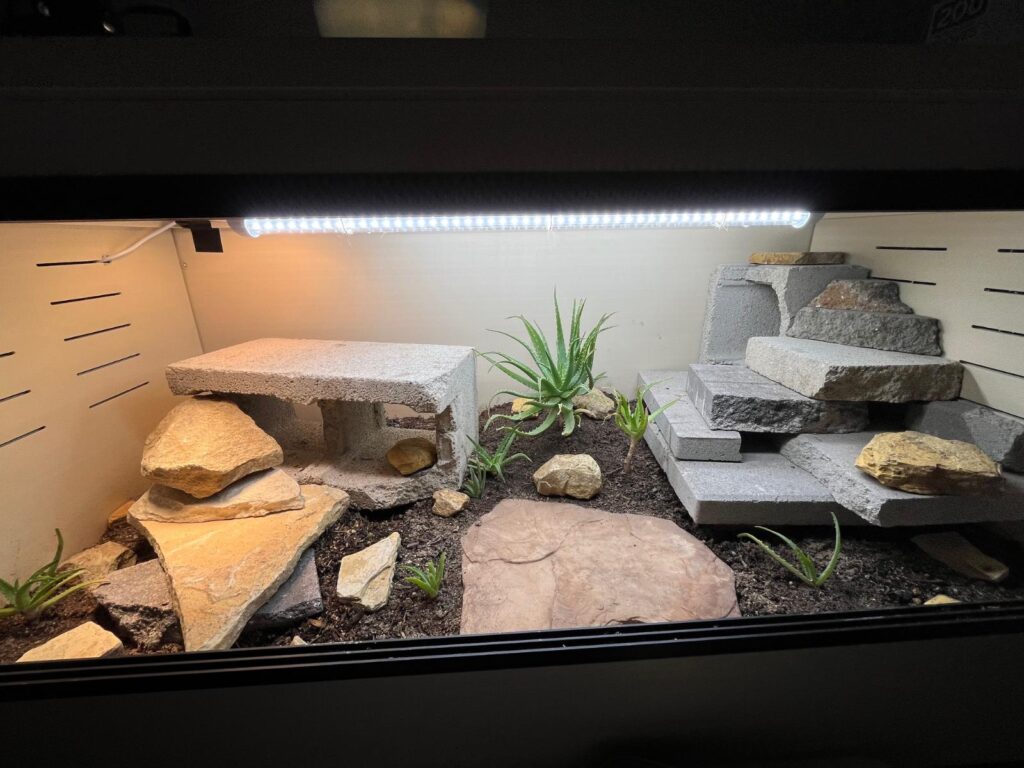
Adult bearded dragons need at least a 4 x 2 x 2 feet enclosure, while leopard geckos need at least 20 gallons (preferably 40 gallons for the best enrichment).
These are active animals that walk, run, and explore in the wild. They can’t do that in a tiny tank.
Signs the enclosure is too small:
- Your lizard has grown since you got the tank
- They can’t fully stretch out or turn around easily
- There’s not enough room for proper temperature gradients
- They seem restless even after you’ve addressed other issues
The fix: Upgrade to a larger enclosure. I know tanks can be expensive, but your lizard’s well-being depends on having adequate space. Look for used and discounted tanks online (ex. Facebook Marketplace) or consider building a custom enclosure with PVC or wood.
6. Boredom and Lack of Enrichment
People underestimate how smart lizards actually are. These aren’t mindless creatures. Studies show that some lizards can watch another lizard perform a task on a screen and then copy that behavior immediately. They have intelligence, curiosity, and can get genuinely bored.
If your lizard’s enclosure is bare or they never get out to explore, glass surfing might just be their way of asking for something to do. Imagine being stuck in an empty room 24/7. You’d go crazy too!
The fix: Provide enrichment! This includes:
- Climbing branches and rocks
- Multiple hiding spots
- Things to explore (cork bark, caves, tunnels)
- Regular handling time (if your species tolerates it)
- Rearranging decorations occasionally to create novelty
- Scatter feeding (hiding food around the enclosure so they have to forage)
- Supervised exploration time outside the tank in a lizard-proofed room
- BONUS: A large hamster wheel can provide extra enrichment (Be sure that it is safe and it is large enough so that the lizard’s tail is not put at an awkward angle)
For even more ideas, check out my post on 11 Fun Activities to Do With Your Reptile!
7. They’re Learning to Communicate With You
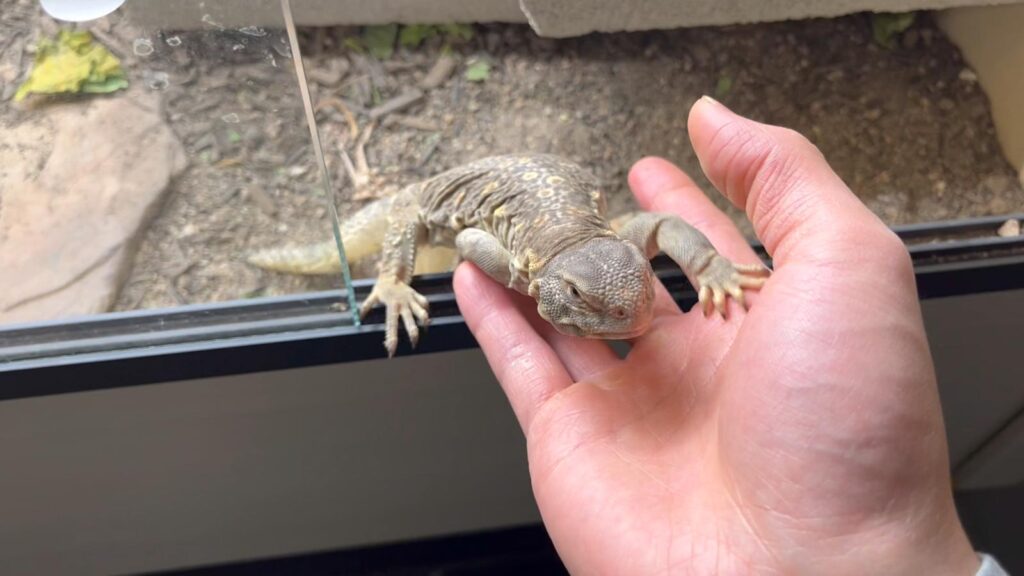
Here’s something cool: lizards can actually train us just as much as we train them. If your lizard has learned that scratching the glass gets your attention and results in you opening the door, they’ll keep doing it.
This is especially common with bearded dragons and other intelligent species. It’s not stress in this case. It’s learned behavior.
How to tell if it’s communication: The glass surfing happens at specific times (like when you’re in the room), your lizard seems calm otherwise, and they stop once you open the door or interact with them.
The fix: This one’s up to you! If you don’t mind taking your lizard out when they ask, that’s fine. You’re building a cool bond. If you want to discourage it, only open the enclosure when they’re calm, and not when they’re actively glass surfing. Consistency is key.
8. Recent Changes to Their Environment
Lizards are creatures of habit. Big changes can stress them out, even if the changes seem positive to us. This might include:
- Moving the tank to a new location
- Rearranging decorations
- Adding new items to the enclosure
- Changes in your routine (like going back to work after being home)
- New people or pets in the house
- Different lighting or noisy changes nearby
The fix: If the glass surfing started right after a change, that’s probably your culprit. Try reverting to how things were before. If that’s not possible, give your lizard time to adjust, usually a week or two, while making sure all their basic needs are met.
9. Breeding Behaviors (Females)
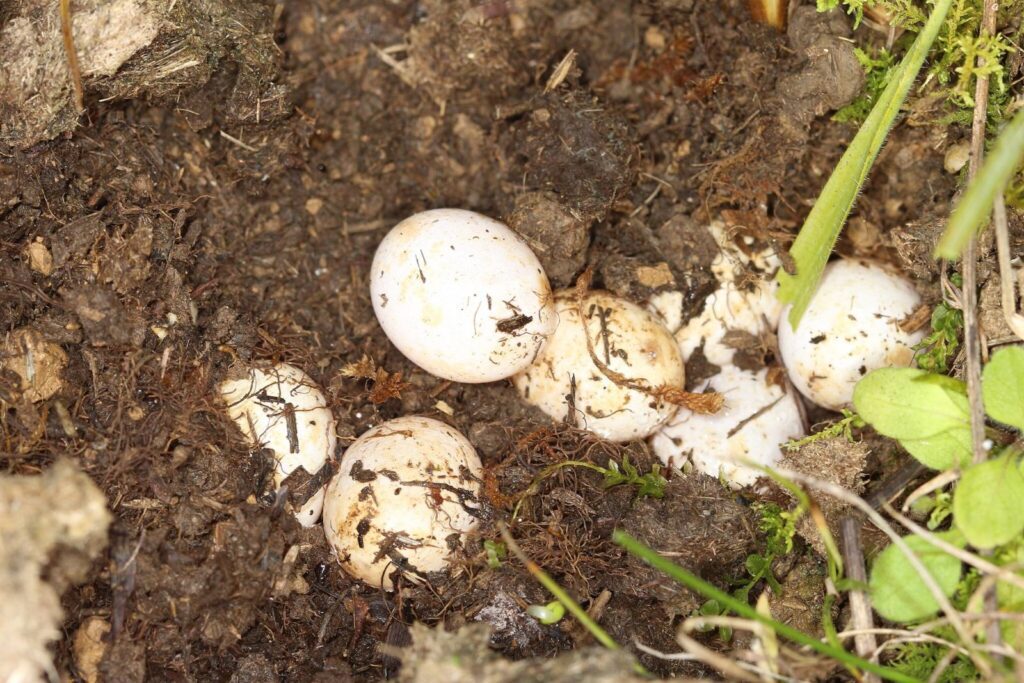
If you have a female lizard, especially a bearded dragon, leopard gecko, or other species that can produce infertile eggs, glass surfing combined with digging behavior might mean she’s looking for a place to lay eggs.
Females can develop eggs even without a male present. If they don’t have an appropriate laying site, they’ll become increasingly stressed and may become egg-bound, which is a serious medical emergency.
Warning signs:
- Glass surfing is focused around corners
- Frantic digging motions
- Restlessness
- Loss of appetite
- Swollen belly
The fix: Provide a lay box immediately (a container filled with moist sand or soil mixture where she can dig and lay eggs safely). If you suspect egg-binding (she’s showing signs but not laying after several days), get to a reptile vet ASAP.
Less Common Causes (But Still Worth Checking)
Parasites or Illness
Sometimes, glass surfing is a symptom of an underlying health problem. Parasites, impaction, metabolic bone disease, or other illnesses can cause discomfort that leads to stress behaviors.
Other warning signs to watch for:
- Loss of appetite lasting more than a few days
- Weight loss
- Lethargy or unusual lack of energy
- Abnormal poop (runny, bloody, or absent)
- Twitching, seizures, or difficulty moving
- Sunken eyes or wrinkled skin
The fix: If your lizard shows any of these symptoms along with glass surfing, schedule a vet visit with a reptile specialist. Many health issues are easily treatable when caught early.
Improper Lighting
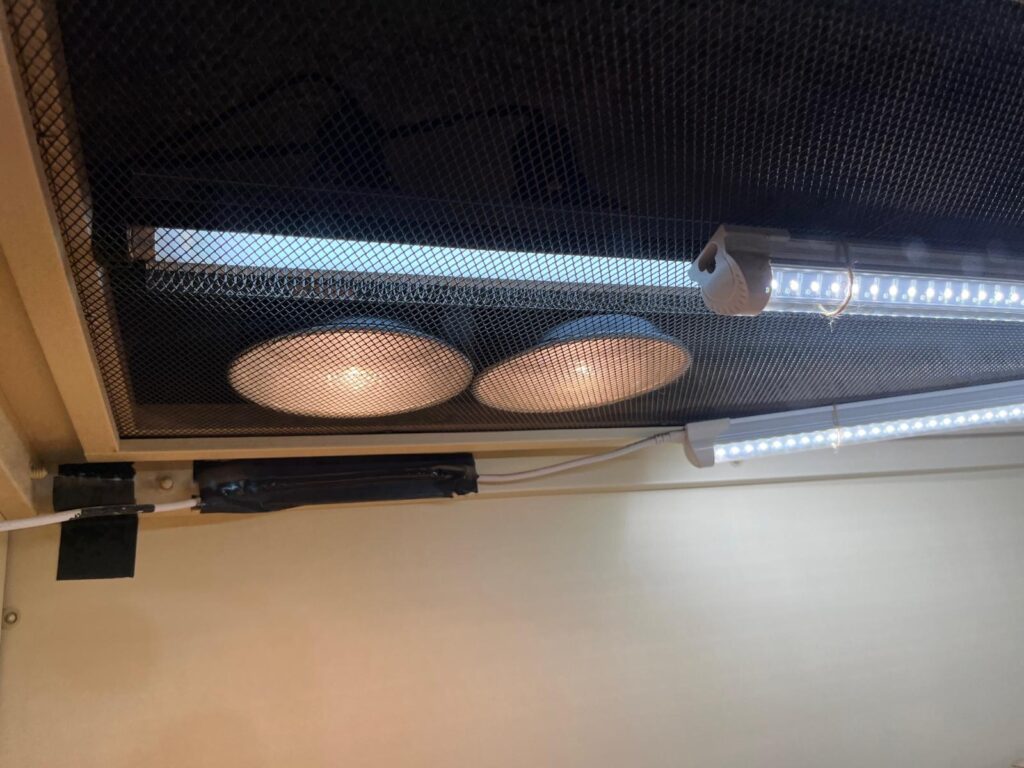
Lighting isn’t just about helping your lizard see. It’s crucial for your lizard’s health. Insufficient UVB lighting can prevent proper calcium absorption, leading to serious health issues. On the flip side, too much light with no escape can cause stress.
Make sure you have:
- Proper UVB bulbs (replaced every 6-12 months, even if they still look bright)
- A day/night cycle (12 hours on, 12 hours off)
- Shaded areas where your lizard can escape bright light
Seasonal Behavior
Some lizards become extra active during certain times of the year. Spring often triggers increased activity as their instincts tell them it’s breeding season, or that they are coming out of brumation. They might glass surf more simply because they have more energy and drive to explore.
This is usually temporary and will calm down on its own, but make sure all other husbandry elements are correct while you wait it out.
How to Stop Glass Surfing: Your Action Plan
Okay, so you’ve figured out (or at least narrowed down) why your lizard is glass surfing. Here’s your step-by-step plan to fix it:
Step 1: Do a Complete Husbandry Check
Go through this checklist:
- ✓ Enclosure size is appropriate for the size of your species
- ✓ Temperature gradient is correct (use temp gun to verify)
- ✓ UVB lighting is present and the bulb is less than 6-12 months old
- ✓ Humidity levels are appropriate for the species
- ✓ Clean water is available
- ✓ Substrate is safe and appropriate
- ✓ Multiple hiding spots are available
- ✓ Enclosure is clean (no waste present)
Step 2: Remove Visual Stressors
- Add backgrounds to the sides and back of the enclosure
- Block view of other pets or reptiles
- Move food containers out of sight
- Check for and eliminate reflections
Step 3: Provide Enrichment
- Add climbing opportunities
- Create interesting landscapes with rocks and branches
- Offer variety in feeding (scatter food, use feeding tongs, offer different foods)
- Give supervised out-of-tank time if appropriate
Step 4: Establish Routine
- Feed at consistent times
- Handle at regular intervals (if appropriate for your species)
- Maintain a consistent day/night lighting schedule
- Clean on a regular schedule
Step 5: Give It Time
Some glass surfing won’t stop overnight. If you’ve made appropriate changes, give your lizard a week or two to adjust (or even more than a month). They need time to realize they’re safe and comfortable.
When to Worry (And When Not To)
Don’t panic if:
- Glass surfing only happens at feeding time and stops after eating
- It’s brief and occasional (a few minutes here and there)
- Your lizard is otherwise eating well, pooping normally, and seems healthy
- It started after a recent change and gradually improves
Do take action if:
- Glass surfing is constant (hours at a time, day after day)
- Your lizard shows other signs of illness or stress
- They’re losing weight or refusing food
- The behavior is getting worse despite your efforts
- You suspect a female might be egg-bound
Frequently Asked Questions
Is glass surfing harmful to my lizard?
The behavior itself won’t hurt them, but the underlying stress causing it absolutely can. Chronic stress weakens the immune system and can lead to health problems over time.
How long does it take for glass surfing to stop?
It depends on the cause. Hunger-related glass surfing stops immediately after feeding. Stress from environmental issues might take 1-2 weeks to improve after you make changes.
Can glass surfing damage their claws?
Yes, excessive scratching can wear down or damage claws over time. This is another reason to address the root cause quickly.
Should I cover the tank to stop glass surfing?
No! Covering the tank will make things worse by reducing ventilation and stressing your lizard out even more. Instead, address the actual cause.
Do all lizard species glass surf?
Most species kept in glass or acrylic enclosures can exhibit this behavior, but it’s most common in bearded dragons, uromastyx, and other ground-dwelling lizards.
Why does my lizard only glass surf when I’m in the room?
They’ve probably learned that your presence often means food or interaction. This is actually a sign of intelligence and bonding, not necessarily stress!
The Bottom Line
Glass surfing isn’t just random behavior. Your lizard is trying to tell you something. The good news? Most causes are totally fixable with some detective work and adjustments to their care.
Remember, every lizard has their own personality. What works for one might not work for another. Pay attention to your individual pet, learn their patterns, and don’t be afraid to experiment with different solutions.
Your lizard depends on you to meet their needs since they can’t change their own environment. By taking the time to figure out what’s wrong and fixing it, you’re being exactly the kind of owner your reptile deserves.