How Long Can a Bearded Dragon Go Without UVB? (What Happens)

This post may contain affiliate links, meaning I may earn a small commission at no extra cost to you if you make a purchase through my links. This helps support the blog! You can read my full Affiliate Disclaimer for more details.
Quick Answer
A healthy adult bearded dragon can go about 1 to 2 weeks without UVB before you should start worrying about real health consequences. (Note that this is a conservative estimate) But just because they can go that long doesn’t mean you should let them! The damage starts happening internally well before you actually see any symptoms, which is the scary part.
If your UVB bulb just burned out and a replacement is on the way, don’t panic! Your beardie will be totally fine for a few days. But if it’s been weeks (or you just realized your bulb wasn’t even producing UVB), then yeah, you need to act fast.
Let’s break down exactly what happens, how long they can really go, and what to do in an emergency!
Why Do Bearded Dragons Need UVB in the First Place?
Before we get into timing, let’s quickly cover why UVB is so critical. (If you already know this, feel free to skip ahead!)
Bearded dragons are desert lizards from Australia. In the wild, they’re basking in direct sunlight for many hours every single day, soaking up massive amounts of UVB radiation. And this isn’t just about warmth; UVB is how their bodies produce vitamin D3, which they absolutely need to absorb calcium from their food.
Without vitamin D3? The calcium just passes right through their system without being absorbed. And without calcium, their bones weaken, their muscles stop working properly, and things go downhill fast. This process is called metabolic bone disease (MBD), and it is one of the most common and heartbreaking health issues in captive bearded dragons.
Here’s the simplified chain reaction:
No UVB → No vitamin D3 → No calcium absorption → Weak bones → Metabolic bone disease → Deformities, pain, and potentially death
Yeah, it’s that serious. So when we’re asking “how long can they go without UVB,” what we’re really asking is: how long before this chain reaction starts causing real damage?
If you want a full breakdown of bearded dragon health and care, check out my Comprehensive Bearded Dragon Care Guide — it covers everything from diet to lighting to enclosure setup!
How Long Can a Bearded Dragon Actually Go Without UVB?
The answer depends on a few things:
Healthy Adults: About 1–2 Weeks
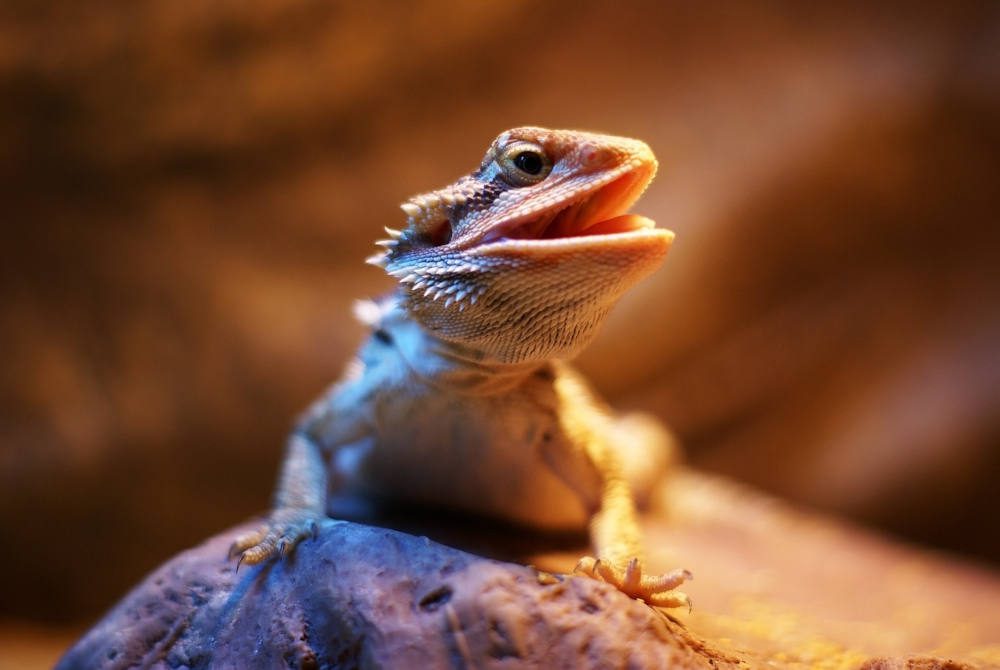
A healthy adult bearded dragon that already has good vitamin D3 and calcium levels stored up can typically go 1 to 2 weeks without UVB before the effects become noticeable. One study actually found that vitamin D metabolite levels in reptiles didn’t significantly drop for close to three months, but that was only when their levels were optimal to start with.
The keyword there is optimal. If your UVB bulb has been slowly dying for months (which they all do, by the way), your dragon’s vitamin D3 levels might already be lower than you think. In that case, even a few days without UVB could push them into deficiency territory.
Babies and Juveniles: A Few Days, MAX
This is where it gets more urgent. Baby and juvenile bearded dragons are growing super fast, which means they need WAY more calcium than adults. Their bones are still developing, and without consistent UVB, they can develop metabolic bone disease shockingly fast, sometimes within just a couple of weeks of bad UVB.
If you have a baby beardie without UVB right now, treat it like an emergency. Get a proper bulb within days, not weeks!
Already Sick or Stressed Dragons: Almost Zero Tolerance
If your bearded dragon is already dealing with poor nutrition, bad temperatures, or other health issues, they have basically no buffer. A dragon that’s already low on calcium could start showing MBD symptoms within days of losing UVB access.
What Actually Happens to Your Bearded Dragon Without UVB?
Here’s the thing that makes UVB deprivation so dangerous: the effects build gradually. By the time you see symptoms, significant damage has already been done internally. Let me walk you through the timeline:
Days 1–3: Nothing Noticeable
Your dragon will probably look and act completely normal. Their stored vitamin D3 is still doing its job. You might notice them basking a little more than usual, but most people wouldn’t pick up on anything at this stage.
Days 4–7: Subtle Changes
You may notice slightly less energy, spending more time in the basking spot (basically trying to compensate for the missing UVB), or eating a bit less. These signs are super easy to miss or blame on something else.
Weeks 1–2: First Real Warning Signs
This is when it starts getting real. Decreased appetite, less activity, and in some cases, the beginning of muscle tremors or twitching — especially in younger dragons. Their bodies are literally starting to pull calcium out of their bones to keep essential functions running. Not good.
Weeks 2–4: Visible Decline
Without UVB at this point, you’ll likely see more serious stuff: lethargy, loss of appetite, difficulty walking, a rubbery or soft-feeling jaw, swollen limbs, and noticeable tremors. These are classic MBD signs, and some of this damage can potentially be permanent.
Beyond 1 Month: Seriously Dangerous Territory
Extended time without UVB can lead to severe metabolic bone disease, organ damage, and in the worst cases, death. The longer it goes, the harder it is to reverse.
How This Usually Happens (It’s Probably Not What You Think)
Most of the time, UVB deprivation isn’t intentional at all. Here are the most common scenarios:
Your Bulb Burned Out
Most straightforward situation. Your bulb died, you need a new one. If it’s arriving in a few days, your dragon will be perfectly fine. Just keep the basking light on and feed as normal!
You Didn’t Know You Needed UVB
This happens way more than you’d think, especially with new owners who received bad advice from a pet store. (I swear, some pet store employees have no idea what they’re talking about when it comes to reptiles) If your beardie has been living without UVB for a while, get a proper bulb ASAP and schedule a vet visit to check for MBD.
Your Bulb LOOKS Fine, But Isn’t Actually Producing UVB
This is the sneaky one that gets a lot of people. UVB bulbs stop producing usable UVB long before they stop producing visible light. Your bulb might look perfectly bright, but after 6-12 months, its UVB output has tanked.
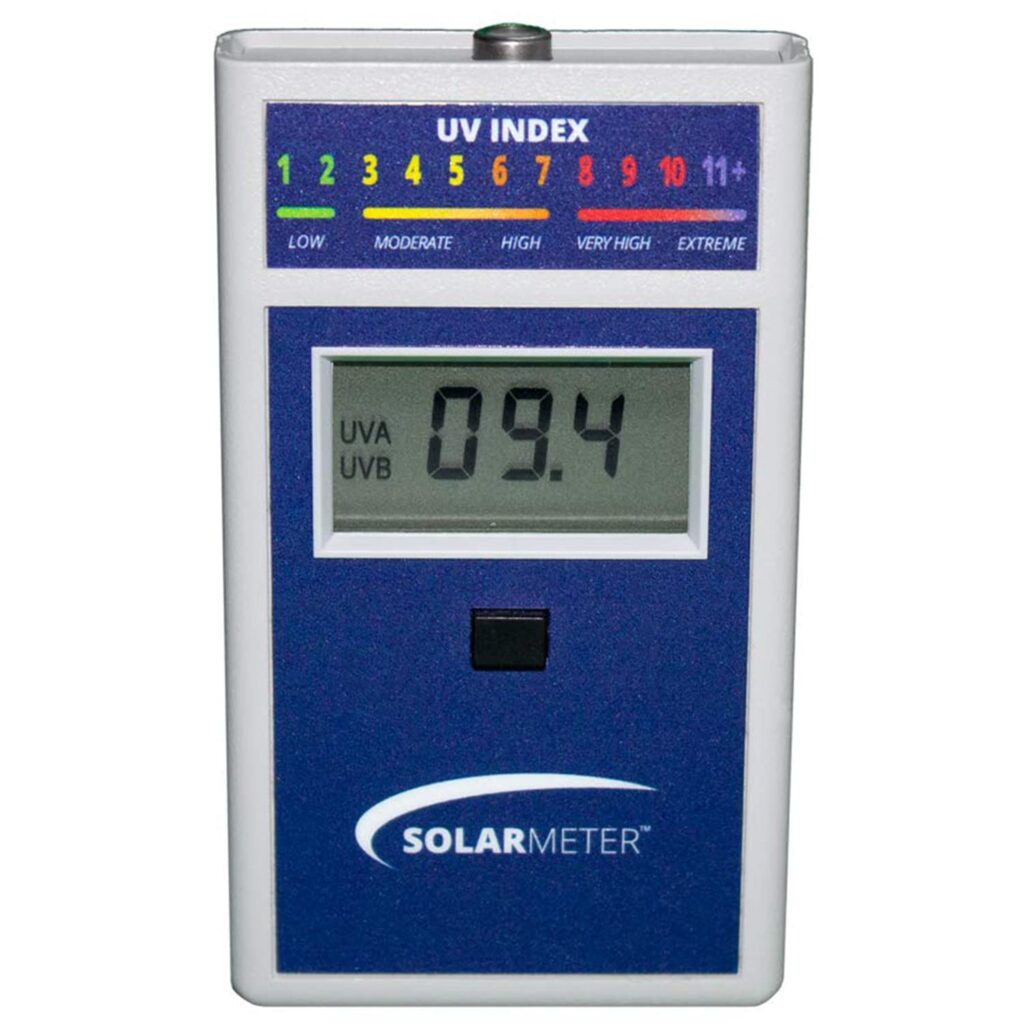
The only way to know for sure what your bulb is actually putting out is to test it with a UV meter. I use a Solarmeter 6.5 UV meter to check the UV index in my reptile enclosures. I actually use it on my Egyptian uromastyx’s setup to make sure the 14% Arcadia bulb is still performing. It’s not a cheap investment, but it completely removes the guesswork. I’ve caught bulbs that looked perfectly fine visually but were putting out basically zero usable UVB. Super deceiving!
Power Outage
Storm knocked out your power? A day or two without any lights is totally fine. Just turn everything back on when power returns. If the outage is going to be extended, check out the emergency tips below.
What to Do Right Now (Based on How Long It’s Been)
Less Than a Week: Don’t Stress
Get a new UVB bulb as soon as you can and install it. Dust your dragon’s insects with calcium powder with vitamin D3 at every feeding until you feel their levels are back up. Your beardie will bounce back quickly with no lasting effects!
1–4 Weeks: Act Fast
Get UVB set up immediately. Dust insects with calcium at every single feeding for the next few weeks. Watch closely for any MBD symptoms. This could include tremors, lethargy, difficulty walking, or soft jaw. If you see any of these, get to a reptile vet.
Over a Month: Vet Time
This one warrants a trip to a reptile veterinarian. Your dragon may need blood work to check calcium and vitamin D3 levels, and possibly calcium injections to recover. Get proper UVB installed immediately and follow your vet’s recommendations from there.
Emergency Tips When You’re Waiting for a New Bulb
Here are some things you can do to bridge the gap:
Take your beardie outside for natural sunlight! Even 15-20 minutes of direct sunlight (NOT through a window as glass blocks UVB!) every other day can help maintain their vitamin D3 levels. Supervise them the entire time, and keep them in a secure container so they don’t bolt on you. Trust me, bearded dragons are faster than they look!
Bump up the calcium supplementation. Dust their insects with calcium powder that includes vitamin D3 at every feeding until the new bulb arrives. Now, oral D3 isn’t absorbed as efficiently as UVB-synthesized D3 in bearded dragons (studies have actually shown this), but it’s better than nothing while you wait.
Keep the basking light running. Even without UVB, your beardie still needs heat to digest food properly. Don’t turn off everything just because the UVB is out!
Choosing the Right UVB Bulb (So This Doesn’t Happen Again!)
If you’re replacing your UVB or setting one up for the first time, here’s what I recommend.
Use a linear T5 High Output fluorescent tube – NOT a compact coil bulb. Those little coil bulbs produce a tiny area of UVB and are just not ideal for bearded dragons. Your tube should cover about 1/3 to 1/2 the length of your enclosure.
Bearded dragons fall into Ferguson Zone 4, which is the highest UV zone for commonly kept reptiles. This means they need a lot of UVB! You want a bulb with at least 10-12% UVB output.
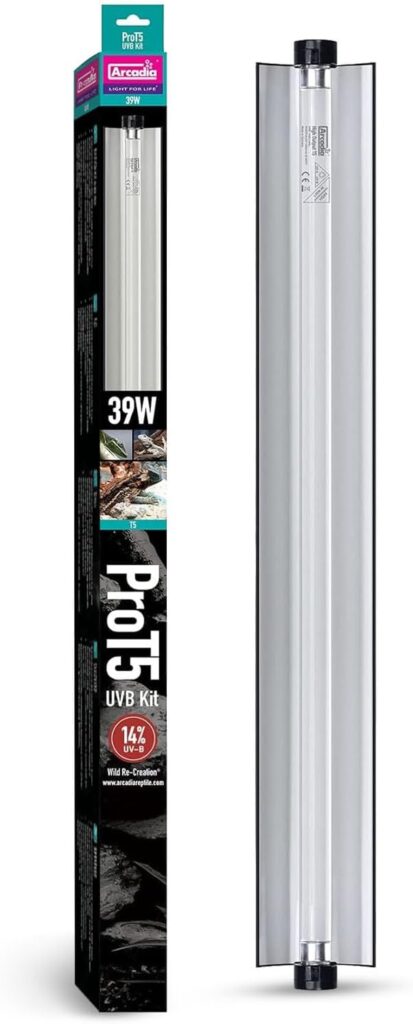
My top pick is always going to be the Arcadia T5 14% UVB. The Arcadia bulbs are what I personally run across my reptile setups as they maintain solid, consistent UVB output and last a full 12 months before needing replacement (Always check though, to see if the output is still proper!). I use the 14% Arcadia on my Egyptian uromastyx’s enclosure and regularly verify the output with my Solarmeter to make sure everything’s good.
A few more important tips:
Mount the bulb inside the enclosure or directly on top of the mesh (assuming mesh is not too fine), NOT above glass or thick plastic. Glass and plastic block most UVB, making your expensive bulb basically useless.
Position the UVB tube right next to your basking bulb. In the wild, the sun provides heat, UVA, UVB, and visible light all from one source. You wouldn’t have two suns, right? 😀 Placing your UVB and basking bulb close together ensures your dragon gets the full benefit while basking.
Replace on a schedule, NOT when it burns out. Fluorescent tubes should be swapped every 10-12 months. Mercury vapor bulbs every 8-10 months. (These are still just estimates, and it’s best to use a UV meter to check the output periodically). Set a reminder on your phone right now -seriously, do it! And if you want to be extra precise, a Solarmeter 6.5 UV Meter lets you test the output anytime.
I’d also recommend picking up an infrared temperature gun if you don’t already have one already. It lets you check your basking spot surface temperatures in seconds, which is super useful alongside your UVB setup.
Frequently Asked Questions
Can a bearded dragon survive without UVB permanently?
No. Without UVB, a bearded dragon will eventually develop metabolic bone disease, which causes painful bone deformities, organ failure, and death. UVB is not optional. It’s essential for their survival. Calcium supplements with D3 can help temporarily, but they are NOT a replacement.
Does sunlight through a window provide UVB?
Unfortunately, no. Glass blocks the vast majority of UVB radiation. Your beardie might look happy sitting by the window, but they’re getting warmth and visible light only, with almost zero UVB. You still need a proper bulb!
How do I know if my UVB bulb is still working?
You really can’t tell just by looking at it. A bulb can look perfectly bright while producing almost no UVB. The only reliable way is to test it with a UV meter like the Solarmeter 6.5. If you don’t have one, just replace your bulb on schedule, regardless of whether it still lights up.
Can I just use calcium with D3 instead of a UVB bulb?
Not as a permanent solution! Research has shown that bearded dragons aren’t as great at absorbing vitamin D3 through their digestive system compared to making it themselves through UVB. It’s a helpful supplement for sure, but it doesn’t replace actual UVB lighting.
My bearded dragon has been without UVB for months. Is it too late?
Not necessarily! If your dragon isn’t showing severe symptoms yet, getting proper UVB set up immediately and seeing a reptile vet can help them recover. Mild to moderate calcium deficiency is often reversible with corrected care. Severe MBD with visible deformities may cause some permanent damage, but your dragon can still live a comfortable life with proper husbandry going forward.
I also recommend supplementing with bee pollen for an extra nutritional boost alongside proper UVB as it’s packed with vitamins and minerals that support overall health!
How many hours of UVB per day does a bearded dragon need?
Aim for 10-12 hours of UVB daily, matching a natural day/night cycle. Turn it on in the morning, off in the evening. A simple outlet timer makes this automatic so you never have to think about it!
The Bottom Line
A healthy adult bearded dragon can go about 1-2 weeks without UVB before things get serious, but babies and juveniles have way less wiggle room. The real danger honestly isn’t your bulb burning out for a couple of days. It’s the slow, invisible UVB degradation that happens over months when you don’t replace your bulb on schedule. That’s what catches most people off guard.
If your bulb just died and a new one is coming, relax! Keep the basking light on, dust those feeders with calcium, and get your dragon some natural sunlight outside if you can. They’ll be just fine.
If it’s been longer than a couple of weeks though, make getting a quality UVB bulb your top priority and keep an eye out for signs of metabolic bone disease. When in doubt, a trip to a reptile vet is always worth it.
Your bearded dragon’s health, bones, and overall quality of life depend on proper UVB lighting. It’s honestly one of the most important parts of their care, and now you know exactly why!
If you’re looking for more on bearded dragon lighting, diet, and setup, my Comprehensive Bearded Dragon Care Guide has everything you need. Also, check out my Red Bearded Dragon Guide if you’re interested in one of the most popular beardie morphs out there!
What UVB setup are you currently running for your bearded dragon? Let me know in the comments below. I’d love to hear about your setups! Catch you in the next one! 🙂