Do Bearded Dragons Need a Water Bowl? (The Real Answer)

This post may contain affiliate links, meaning I may earn a small commission at no extra cost to you if you make a purchase through my links. This helps support the blog! You can read my full Affiliate Disclaimer for more details.
Introduction
Alright, let’s settle this once and for all.
The bearded dragon water bowl debate is probably the most heated argument in the entire beardie community. Some keepers swear by having a water bowl in the enclosure at all times. Others will argue that it’s completely unnecessary and actually harmful. I’ve seen forum threads on this topic turn into full-on wars.
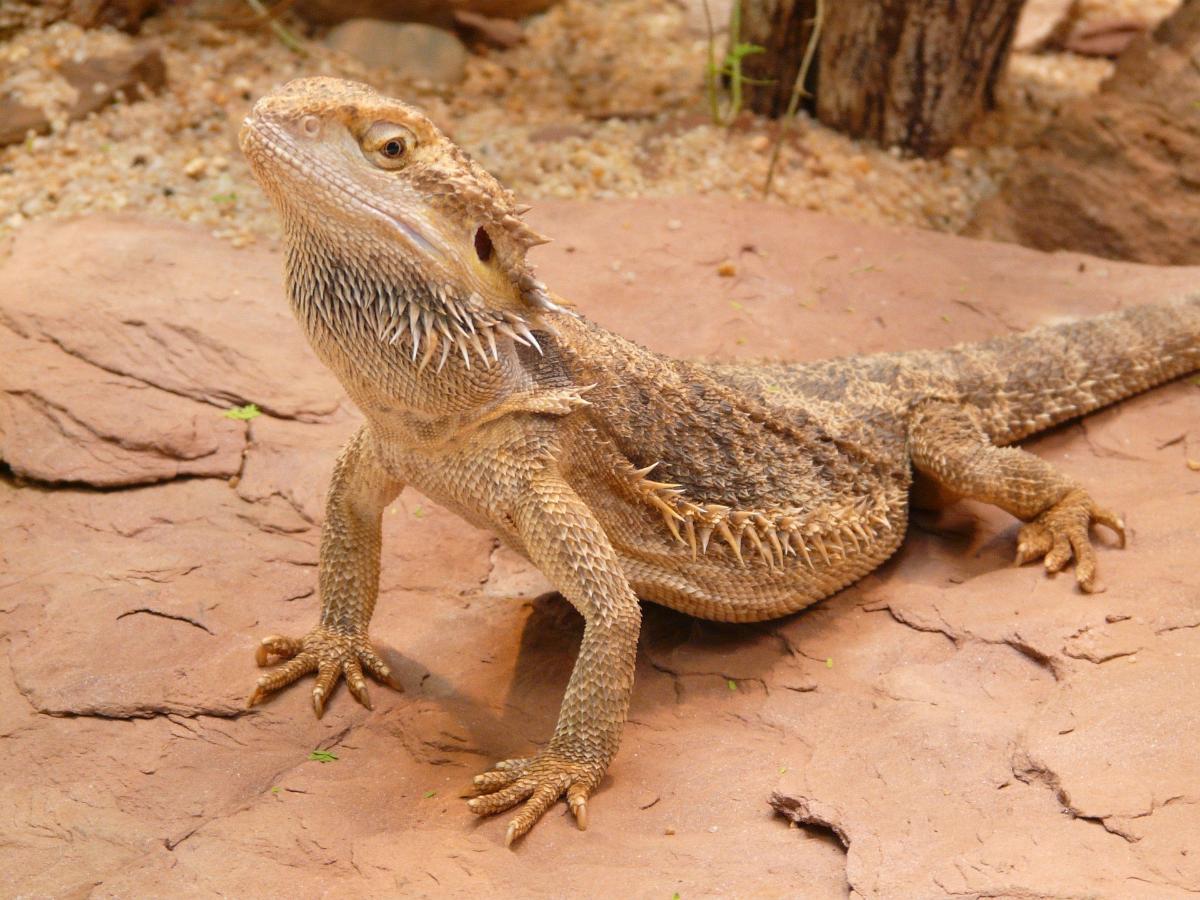
So who’s right? Honestly, both sides have some valid points. But after years of keeping reptiles and doing a ton of research, here’s my take: yes, you should provide a shallow water bowl for your bearded dragon in most situations. But it’s not quite that simple. There are a couple of important exceptions you need to know about.
Let’s break it all down so you can make the best decision for your beardie.
How Bearded Dragons Stay Hydrated in the Wild
Before we talk about water bowls in captivity, it helps to understand how beardies actually get water in the wild. Spoiler alert: they’re not walking up to ponds and taking big sips like a dog.
In their native habitat in the arid regions of Australia, bearded dragons get their water from a few different sources.
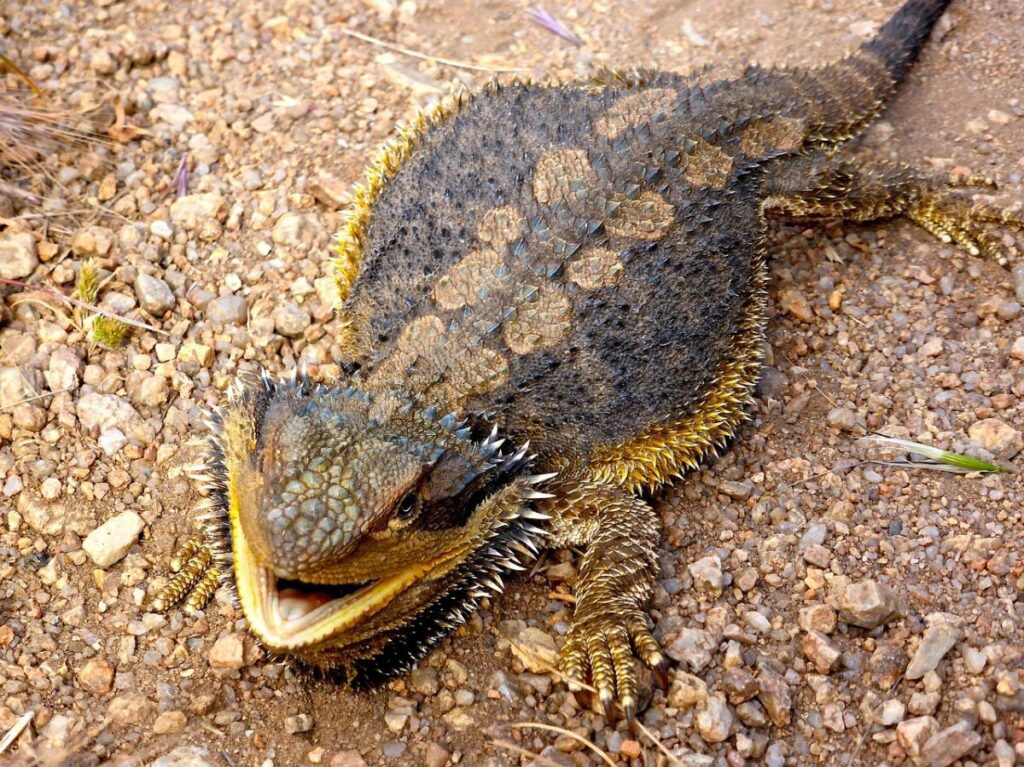
Moisture from vegetation. This is probably the biggest one. Bearded dragons eat plants and greens that naturally contain water. In the mornings, dew and condensation collect on vegetation. Beardies take in that moisture as they munch on their breakfast. This is their main hydration source in the wild.
Rainfall. It doesn’t rain often in the Australian outback. But when it does, bearded dragons have a pretty cool trick. The shape of their head actually funnels rainwater toward their mouth. So they can drink rain right off their own face, which is honestly awesome.
Natural water sources. Puddles, small streams, and other standing water do exist in their habitat. Beardies will drink from them when available. They don’t seek them out very often, but they can and do use them.
The takeaway here? Bearded dragons are built to get moisture from several sources. They don’t need a ton of water. But that doesn’t mean they don’t need water at all.
Why Some Keepers Say No to Water Bowls
Let me be fair and present the other side. These keepers aren’t just making stuff up. There are real concerns here.
Humidity. This is the number one argument against water bowls. Bearded dragons come from dry environments and do best at humidity levels between 20% and 40%. A water bowl can raise the humidity inside the enclosure. Too much humidity over time can lead to respiratory infections, fungal problems, and mold growth. This is a real concern, especially if you already live in a humid climate.
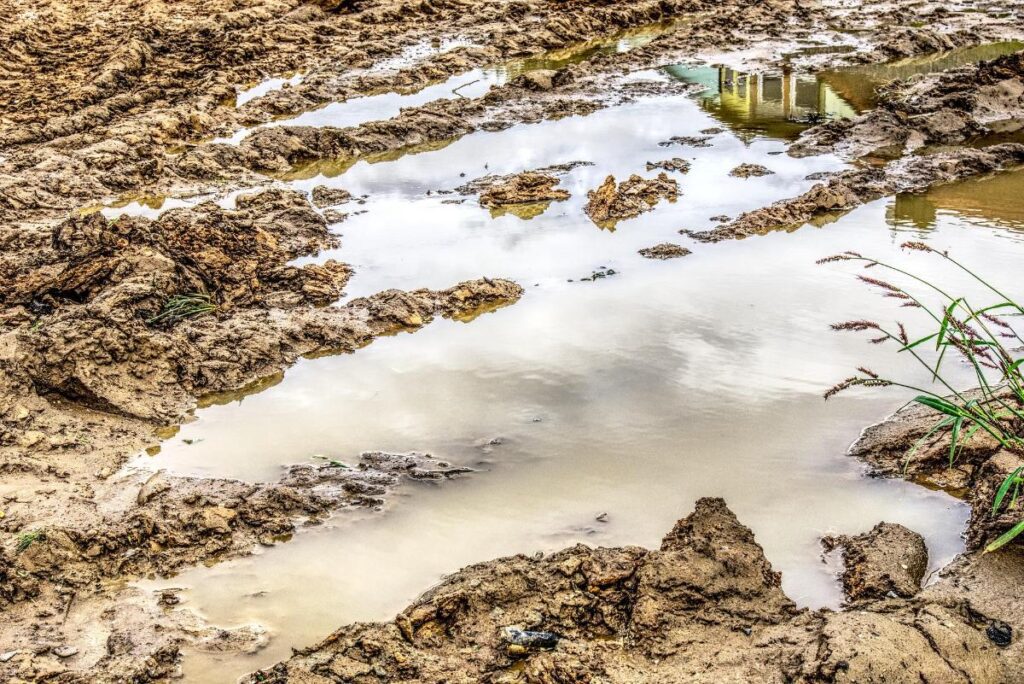
Beardies don’t always recognize still water. Here’s a quirk about bearded dragons that a lot of new keepers don’t know. Many beardies do not recognize standing water as something they can drink. They are naturally attracted to water droplets on surfaces or moving water, not a still pool sitting in a dish. So some keepers ask, “Why even bother with a bowl if they won’t drink from it?”
They use it as a toilet. Let’s be real. If you’ve ever put a water bowl in your beardie’s tank, you know what happens. They sit in it. They walk through it. And then they poop in it. A dirty water bowl is worse than no water bowl because bacteria can build up fast.
They get enough water from food. This argument says that between fresh greens, gut-loaded insects, and the occasional bath, beardies get all the hydration they need without a bowl.
These are all fair points. But here’s why I still think you should have one.
Why I Recommend a Water Bowl (With Some Rules)
Here’s the thing. Just because your beardie doesn’t drink from the bowl every single day doesn’t mean they never will. I’ve been keeping reptiles long enough to know that the one time your beardie actually wants a drink and the bowl isn’t there, you’ve failed them.
Think about it this way. You might not drink water at 3 AM very often. But you’d be pretty annoyed if someone removed all the water from your house because “you never drink it at that hour anyway.”
It gives them the option. Some beardies really do drink from their bowl. Not all of them, but plenty will learn. You can help by letting them watch you pour the water in or gently moving the surface to create a ripple. Having the choice available is always better than not having it.
It adds enrichment. Even beardies that don’t drink from their bowl will sometimes soak in it. This helps with hydration and shedding. It’s one more element in their enclosure that gives them options, similar to what they’d have in the wild.
Dehydration is sneaky. Here’s something important. A mildly dehydrated bearded dragon often doesn’t show obvious signs of thirst. Research has shown that bearded dragons can go 48 hours without water and show barely any outward signs of dehydration. That means you can’t rely on your beardie to “tell you” they’re thirsty.
The Right Way to Use a Water Bowl for Your Bearded Dragon
If you’re going to use a water bowl, you need to do it properly. Here are the rules.
1. Keep It Shallow
This is the most important rule. The water should be no deeper than your beardie’s elbow joints. That means shallow enough that they can walk through it without any risk of getting stuck face down. This is extra critical for baby bearded dragons. Babies are clumsy and can actually drown in water that’s too deep because they don’t have the coordination to get themselves out yet.
For babies, I’d skip the bowl entirely. Just mist their greens and give regular baths until they’re a bit bigger.
A good shallow reptile water dish works perfectly for this. Something like the Exo Terra Water Dish or the Zoo Med Repti Rock Water Dish is low profile, easy to clean, and looks natural in the enclosure.
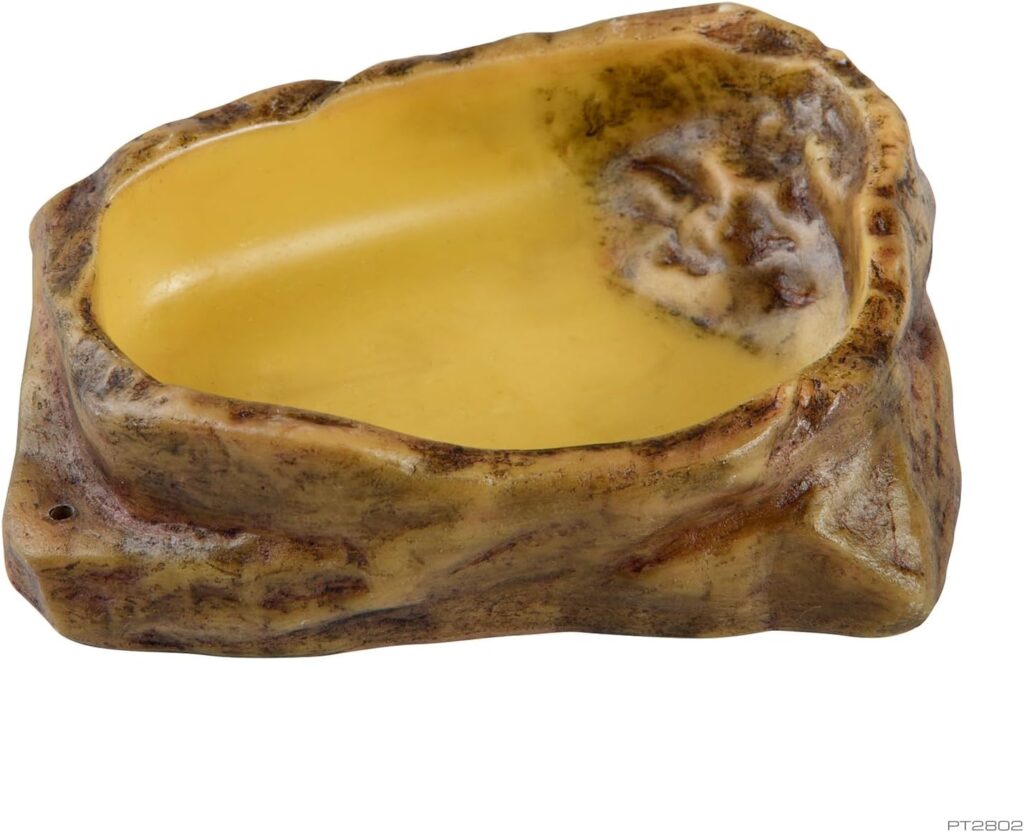
2. Place It on the Cool Side of the Enclosure
Always put the water bowl on the cool end. If you put it under the basking spot, the water will evaporate faster, spike the humidity, and get warm. Warm standing water is a breeding ground for bacteria. Cool side, every time.
This is actually the same concept I follow with my own reptile setups. You always want water sources away from the hot zone to keep evaporation and humidity under control.
3. Clean and Refill It Every Day
I cannot stress this enough. Change the water every single day. Your beardie is going to walk through it, sit in it, and probably use it as a bathroom. Fresh, clean water daily is the bare minimum. If you see them poop in it, swap it out right away.
You can use tap water for your bearded dragon. Hard water is safe for reptiles, and distilled water actually isn’t ideal because it lacks minerals. If your tap water is heavily chlorinated or you’re worried about quality, a water conditioner like Zoo Med ReptiSafe takes care of it. I use filtered water for my reptiles, the same stuff I drink.
4. Keep an Eye on Your Humidity
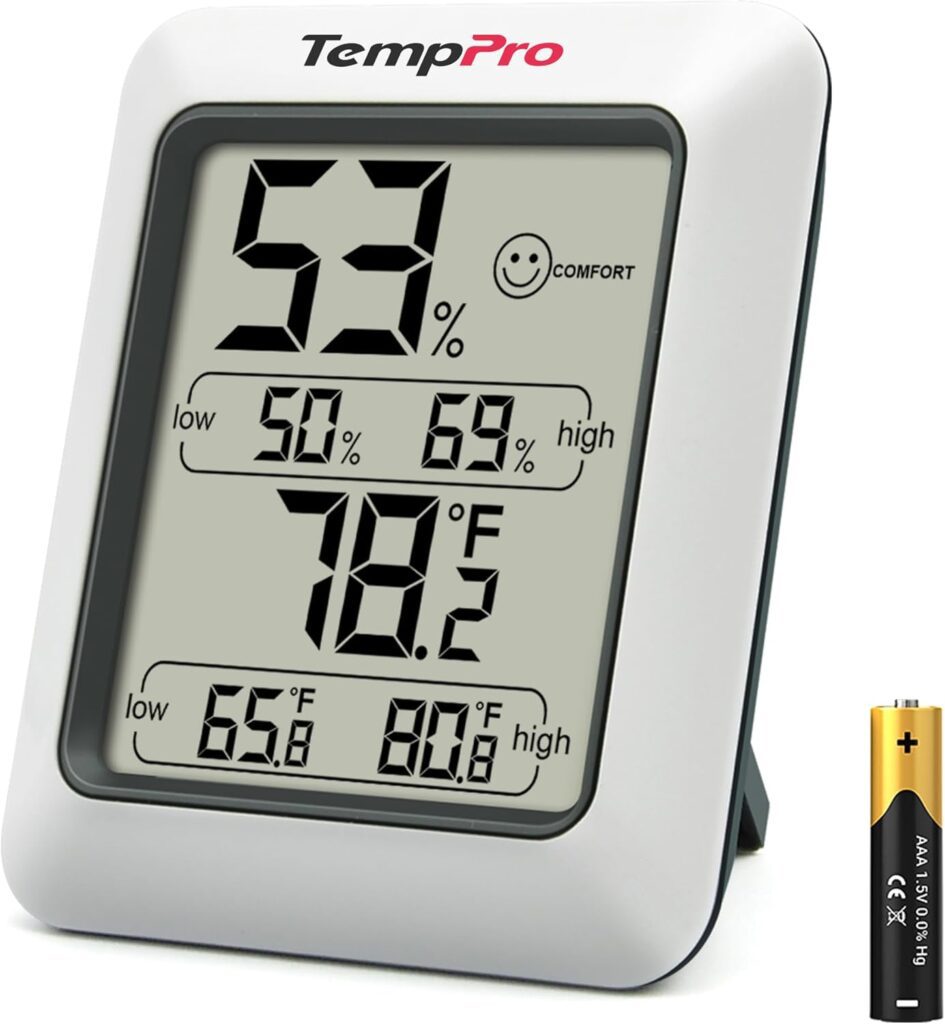
Pick up a quality digital hygrometer/thermometer and keep tabs on your enclosure’s humidity. If your levels are consistently going above 40% with the bowl in there, you might need a smaller dish, better ventilation, or you might need to remove the bowl and rely on other hydration methods instead.
Other Ways to Keep Your Bearded Dragon Hydrated
Whether you use a water bowl or not, you should be doing these things too.
Mist Their Greens Before Feeding
Before you put your beardie’s salad in the enclosure, give it a good spray with water. This is one of the easiest and most effective ways to sneak extra hydration into their diet. They eat the greens, they get the water. Simple as that.
Offer Fresh Greens Daily
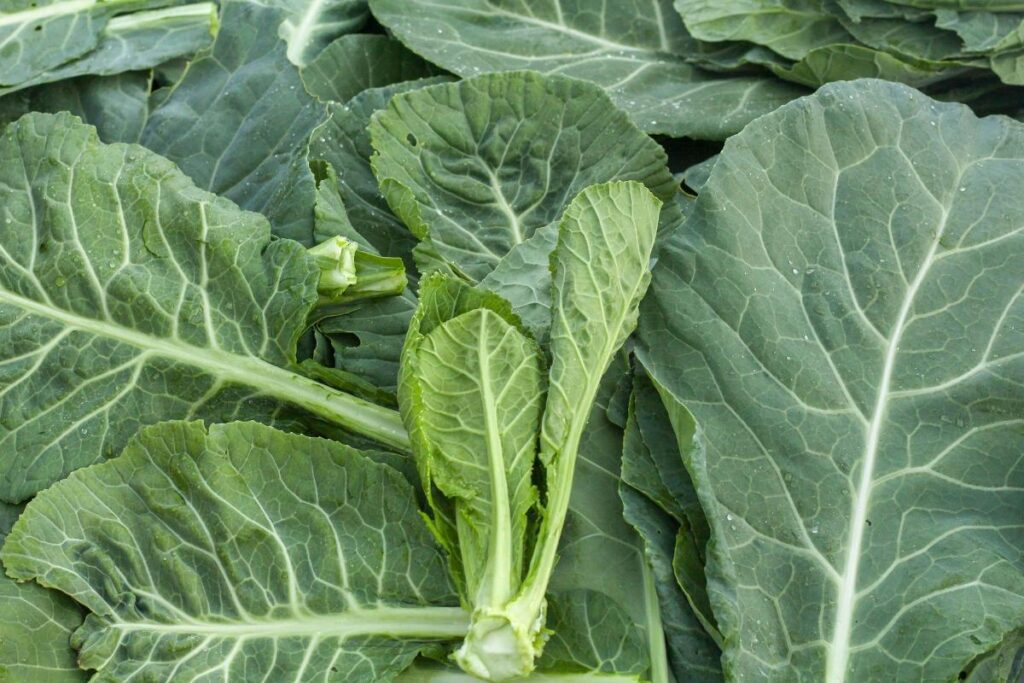
Your adult bearded dragon’s diet should be about 75% to 80% vegetables and greens. Foods like collard greens, butternut squash, bell peppers, and mustard greens all have solid water content. The more fresh greens they eat, the more moisture they’re getting naturally.
Give Regular Baths
Bathing your beardie in lukewarm water (around 85 to 90°F) for 15 to 20 minutes is a great way to help them hydrate. Many beardies will actually start drinking during bath time. Even if they don’t appear to drink, they can absorb some water through their vent, which is also called the cloaca.
One big myth I need to clear up: bearded dragons do NOT absorb water through their skin. You’ll hear people say this all the time, but it’s not true. Water absorption happens through the vent only.
I recommend bathing about once or twice a week. During shedding, bump it up to every other day. A temperature gun is really handy for checking your bath water temp before putting your beardie in.
Drip Water on Their Snout
If your beardie refuses to drink from a bowl or during baths, try gently dripping water on the tip of their nose with a dropper or needleless syringe. Many beardies will instinctively lick the droplets right off. Just don’t force it or squirt water into their nostrils.
Signs Your Bearded Dragon Is Dehydrated
Since beardies are so good at hiding dehydration, here are the warning signs to look for.
- Sunken eyes. This is one of the easiest signs to spot. If your beardie’s eyes look like they’ve sunk into their head, dehydration could be the cause.
- Wrinkly or loose skin. Try gently pinching the skin on their back. If it stays “tented” instead of snapping back down, your beardie is likely dehydrated.
- Lethargy. If your normally active beardie is just lying around and not interested in food or exploring, dehydration could be the reason.
- Thick, stringy saliva. Healthy beardies have thin, watery saliva. If it looks thick or sticky, that’s a red flag.
- Dark or hard urates. The white part of your beardie’s droppings (called urates) should be bright white and soft. If they look yellowish, chalky, or hard, your beardie isn’t getting enough water.
If you notice these signs, increase hydration right away through baths, misting, and offering water directly. If symptoms don’t get better, visit a reptile vet.
When to Skip the Water Bowl
There are two situations where I’d say leave the bowl out.
Baby bearded dragons. The drowning risk is real. Babies are clumsy and small. Stick with misting greens, gut-loaded feeders, and short supervised baths until they’re at least 6 inches long.
Very humid climates. If you live somewhere that is already naturally humid and you’re struggling to keep your enclosure below 40% humidity, adding a water bowl will only make things worse. In this case, rely on misting greens, regular baths, and dripping water on their snout.

Frequently Asked Questions
Can bearded dragons drown in a water bowl?
Yes, especially babies and juveniles. Always use a very shallow dish, no deeper than your beardie’s chest. Adults are generally fine with shallow bowls, but babies should not have unsupervised access to standing water.
Do bearded dragons absorb water through their skin?
No, this is a myth. Bearded dragons do not absorb water through their skin. They can absorb a small amount of moisture through their vent (cloaca) during baths. That’s why soaking is still helpful for hydration, even if you don’t see them actively drinking.
How often should I bathe my bearded dragon?
Most keepers bathe their beardies once or twice a week. During shedding, you can go every other day to help the process along. Keep the water lukewarm (85 to 90°F) and shallow. Belly deep is plenty.
Can I use tap water for my bearded dragon?
Yes. Tap water is generally safe for bearded dragons. If your water is heavily chlorinated, a water conditioner does the job. Avoid distilled water since it lacks helpful minerals.
My bearded dragon never drinks from the bowl. Should I remove it?
Not necessarily. Just because you haven’t seen them drink doesn’t mean they never do. You’re not watching them around the clock. As long as the bowl isn’t causing humidity issues, I’d keep it in there as an option and focus on supplementing hydration through greens, misting, and baths.
Conclusion
Here’s a quick recap of what we covered.
Bearded dragons get water from greens, rainfall, and standing water in the wild. They don’t need a lot of water, but they still need it.
A shallow water bowl on the cool side of the enclosure is a good idea for most setups. Clean and refill it every day.
Skip the water bowl for baby beardies because of the drowning risk. Also skip it if you live somewhere very humid and are already fighting high humidity in the enclosure.
Always supplement with misted greens, regular baths, and dripping water on their snout.
Bearded dragons do NOT absorb water through their skin. That is a myth. They absorb small amounts through their vent during baths.
Watch for signs of dehydration like sunken eyes, skin tenting, lethargy, thick saliva, and yellow urates.
At the end of the day, giving your beardie access to clean, shallow water is one of the simplest things you can do as a keeper. Don’t overthink it. Just do it right.
Got a beardie that actually loves their water bowl? Or one that pretends it doesn’t exist? Let me know in the comments! Catch you in the next one 🙂