Do Leopard Geckos Need a Moist Hide? (Yes, and Here’s How to Set One Up)

This post may contain affiliate links, meaning I may earn a small commission at no extra cost to you if you make a purchase through my links. This helps support the blog! You can read my full Affiliate Disclaimer for more details.
Introduction
If you’re setting up a leopard gecko enclosure for the first time, you might be wondering whether a moist hide is really necessary or if it’s just an optional extra. After all, leopard geckos come from dry, arid deserts. Why would they need humidity?
Yes, leopard geckos absolutely need a moist hide. It’s not optional. It’s one of the most important parts of their entire setup, right up there with proper heating and lighting. Without one, your gecko will almost certainly have shedding problems, and those shedding problems can lead to serious health issues down the road.
Let me explain exactly why a moist hide matters so much, where to put it, what to put inside it, and how to maintain it so your leopard gecko stays healthy and happy.
Why Leopard Geckos Need a Moist Hide
Here’s something a lot of new keepers don’t realize. Even though leopard geckos live in dry, rocky desert environments in the wild (places like Afghanistan, Pakistan, and parts of India), they don’t just sit out in the open all day baking in the sun.
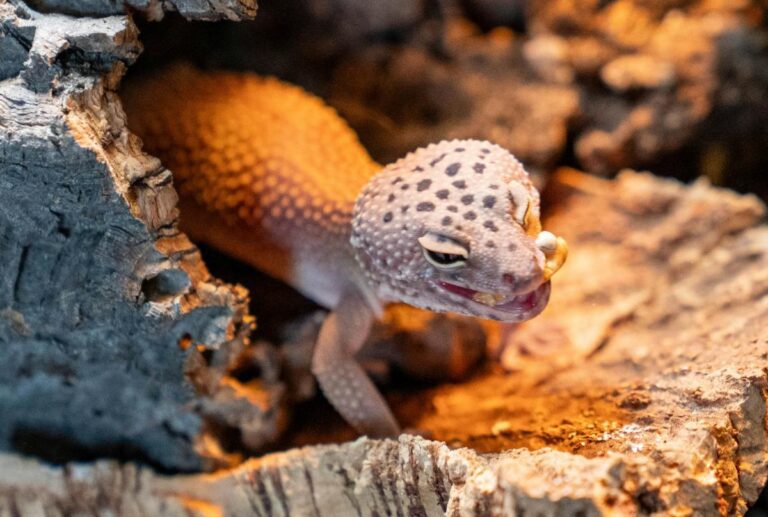
In the wild, leopard geckos spend most of their day hiding in rock crevices, underground burrows, and gaps between stones. These little microclimates are actually way more humid than the surface above them. Even in the desert, the humidity inside a burrow or rock crevice can reach 70% to 80% during certain times of year. That’s dramatically higher than the dry air above ground.
So even though the overall enclosure humidity for a leopard gecko should be around 30% to 40%, they still need access to a pocket of higher humidity that mimics those natural hiding spots. That’s exactly what a moist hide provides.
Shedding
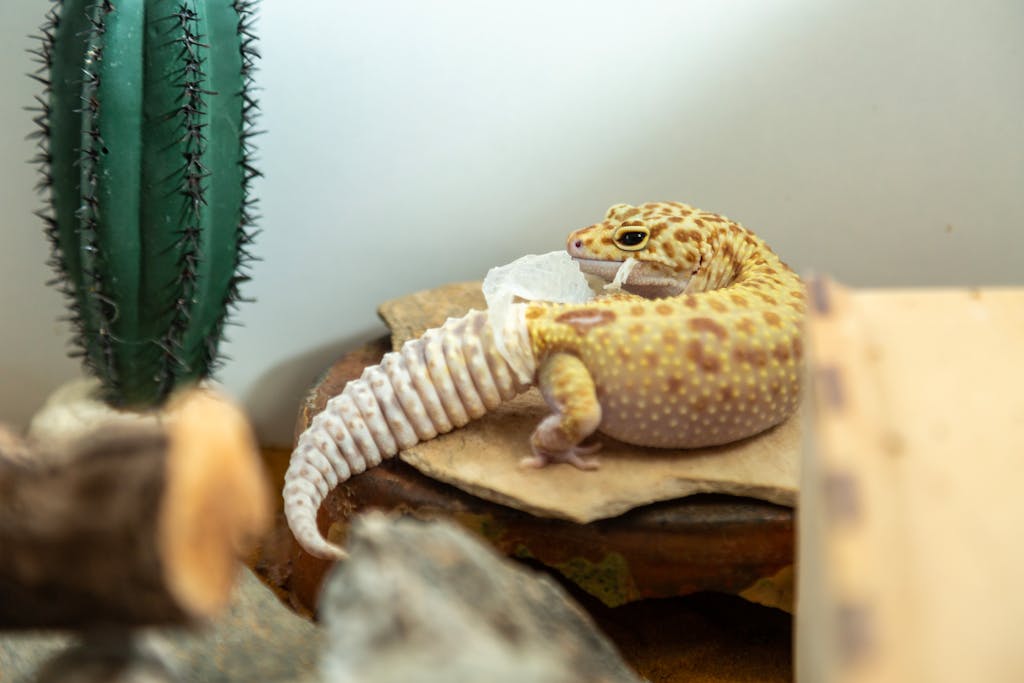
This is the number one reason your leopard gecko needs a moist hide. Leopard geckos shed their skin regularly as they grow. Babies and juveniles shed more often, sometimes every one to two weeks. Adults shed roughly once a month or so.
When it’s time to shed, your gecko needs humidity to soften and loosen the old skin so it peels off cleanly in one piece. Without enough humidity, the shed can get stuck on the body. This is called retained shed or stuck shed, and it’s a much bigger deal than most beginners realize.
Stuck shed that builds up on the toes can actually cut off blood flow over time. If it’s not addressed, this can lead to the gecko losing toes entirely. The same thing can happen on the tail tip, around the eyes, and on the vent area. A moist hide prevents all of this by giving your gecko a place to go when they feel a shed coming on.
Hydration
A moist hide also helps your leopard gecko stay hydrated. Even if you provide a water dish (which you should), having access to a humid environment gives your gecko another way to take in moisture. Leopard geckos in the wild get a lot of their hydration from their environment, not just from drinking standing water.
Stress Reduction
Leopard geckos are naturally shy, secretive animals. They like dark, enclosed spaces where they feel safe. A moist hide provides that cozy, secure feeling while also serving a functional purpose. A gecko that feels safe and has all its needs met is a less stressed gecko, and less stress means better health overall.
Egg Laying
If you have a female leopard gecko, a moist hide becomes even more critical. Female leos need a humid, soft substrate to lay their eggs in. Without a proper laying spot, a female can become egg-bound, which is a life-threatening condition. The moist hide doubles as an egg-laying box when needed.
How Many Hides Does a Leopard Gecko Need?
Before we get into the specifics of the moist hide, let’s talk about hides in general. Your leopard gecko needs at least three hides in their enclosure.
Warm hide. This goes on the warm side of the tank, over or near the heat source. Your gecko will spend a lot of time here digesting food and sleeping during the day.
Cool hide. This goes on the cool side of the tank. It gives your gecko a place to retreat if they get too warm.
Moist hide. This is the one we’re focused on today. It can go on either the warm side or somewhere in the middle of the enclosure. There is some debate among keepers about placement, which I’ll cover below.
All three hides should be snug and enclosed. Leopard geckos like to feel the walls of their hide around them. If the hide is too big and open, they won’t feel secure and probably won’t use it.
Where to Put the Moist Hide
This is one of those topics where you’ll get different answers depending on who you ask. Some keepers place the moist hide on the warm side of the enclosure because the heat helps create a humid microclimate inside the hide. Others put it on the cool side or in the middle because they find the substrate stays damp longer when it’s not being dried out by the heat.
Both approaches can work. Here’s my suggestion: start with the moist hide on the warm side or overlapping the edge of the warm zone. The warmth helps evaporate a little moisture from the substrate, which raises the humidity inside the hide. Just keep an eye on how fast the substrate dries out. If you find yourself re-misting it multiple times a day, try moving it slightly toward the middle.
The one place you do NOT want to put it is directly under a heat lamp or basking spot. That will dry it out way too fast and could make the surface dangerously hot.
How to Set Up a Moist Hide
Setting up a moist hide is really simple. You don’t need anything fancy or expensive.
Step 1: Pick a Container
You need a small, enclosed container with a single entrance hole. It should be about two to three times the size of your leopard gecko. They need to be able to fit inside comfortably and turn around, but it shouldn’t be so big that it can’t hold humidity.
You have two options here.
Buy one. There are plenty of reptile hides designed for this purpose. Something like the Exo Terra Gecko Cave or Zoo Med Repti Shelter works great right out of the box.
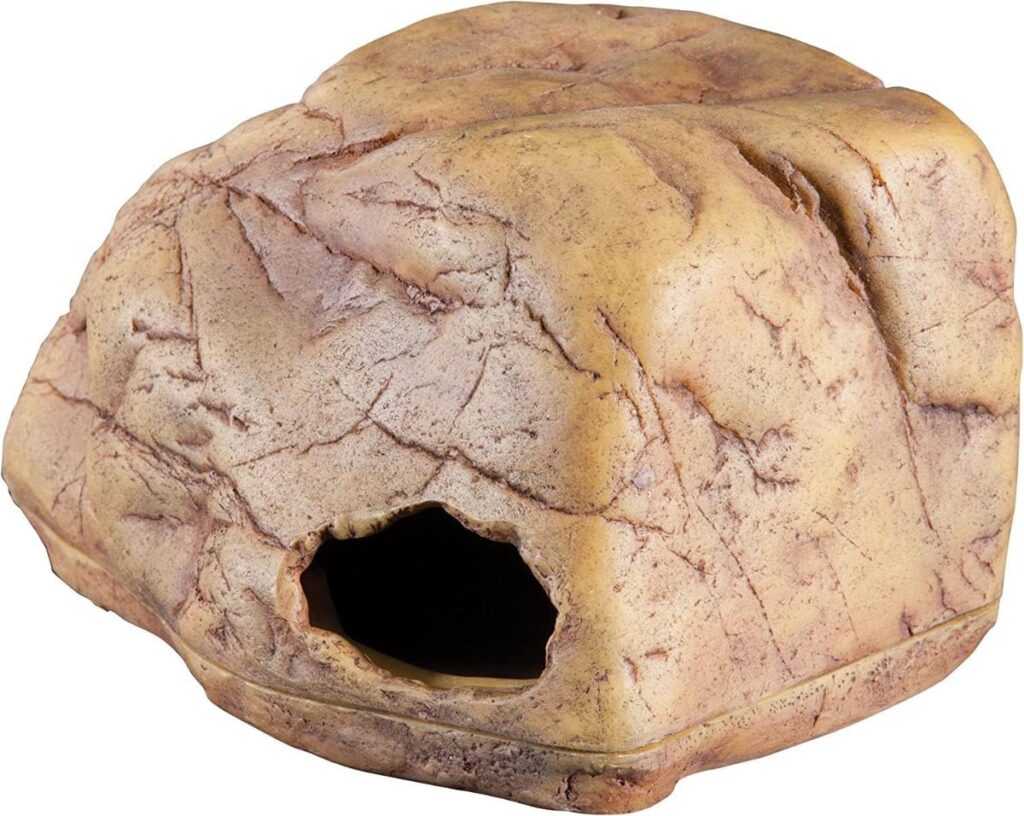
Make one. A small plastic food container with a hole cut in the side works perfectly. Deli containers, butter tubs, or small Tupperware containers are popular choices. Just make sure you smooth out any sharp edges around the entrance so your gecko doesn’t get cut going in and out. This is the budget-friendly approach, and it works just as well as anything you can buy.
It is highly preferable if the hide is dark, so if you make one yourself, make sure the plastic is dark colored and does not let light pass through. (It makes sense right? In the wild, leopard geckos’ hides are made of dirt and block sunlight)
Step 2: Choose a Substrate
The substrate inside the moist hide is what actually holds the moisture and creates humidity. You need something that absorbs water well and holds it for a while without getting moldy right away.
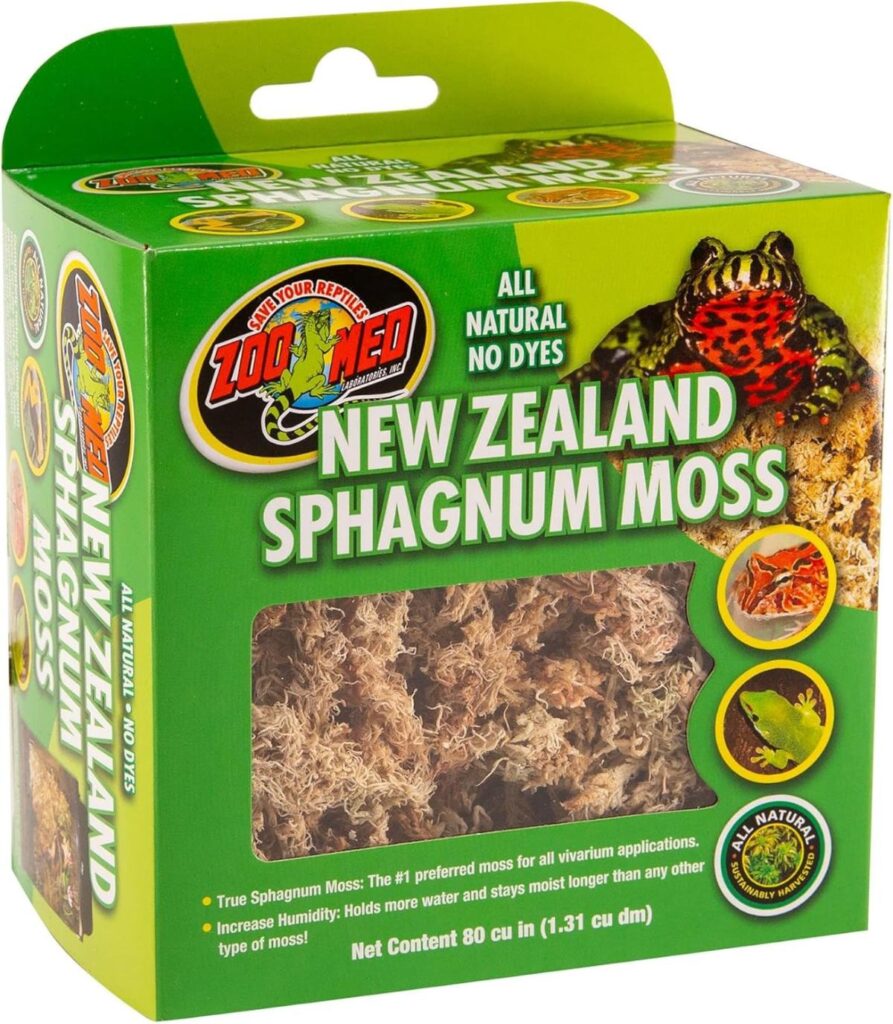
Sphagnum moss is the best option for most keepers. It holds moisture incredibly well, is easy to find, and most leopard geckos seem to like it. You can buy it in bulk bags designed for reptile use. Just grab a handful, dampen it, and lay it inside the hide.
Zoo Med New Zealand Sphagnum Moss or Galápagos Terrarium Sphagnum Moss are both solid options that you can get at most pet stores or online, though there are many more options.
Paper towels work in a pinch, but they dry out quickly and aren’t ideal long-term. They also aren’t great for egg laying if you have a female. I’d use paper towels only as a temporary solution until you can get proper moss.
Coconut fiber (Eco Earth) is another option some keepers use. It holds moisture decently, but not as well as sphagnum moss. It also has a higher risk of being ingested, which can potentially cause impaction in smaller geckos.
Avoid vermiculite. Some older care guides recommend it, but it can be accidentally ingested and has been known to cause problems. Stick with sphagnum moss.
Step 3: Dampen the Substrate
Take your sphagnum moss, get it damp with clean water, and squeeze out the excess. You want it moist, not soaking wet. There should be no standing water in the hide. The moss should look and feel wet, but you shouldn’t be able to squeeze water out of it easily.
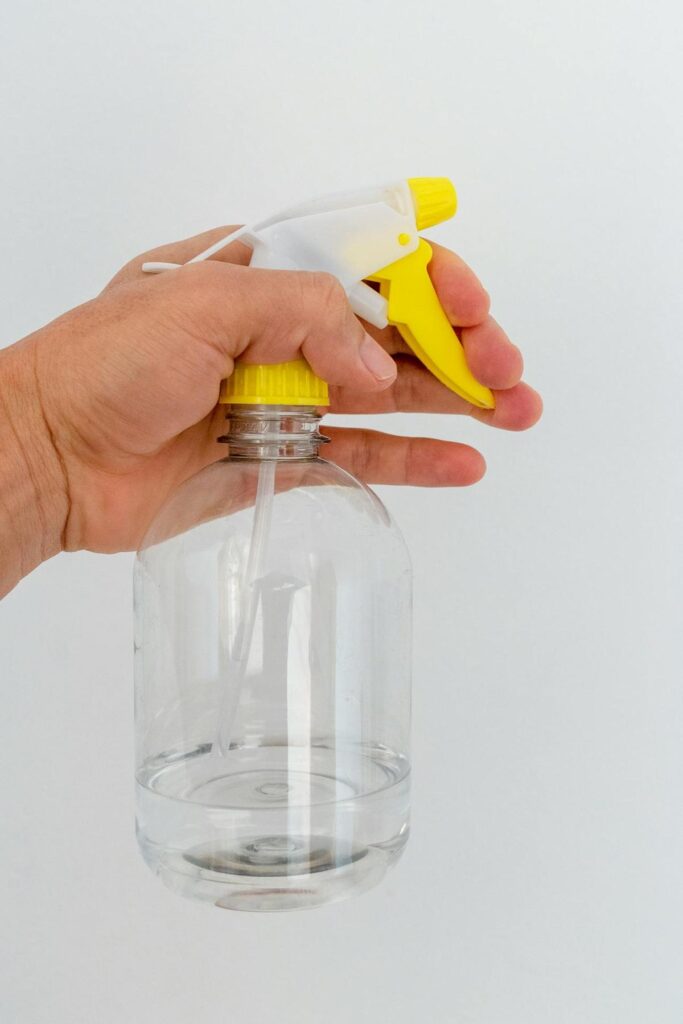
A spray bottle is the easiest way to maintain moisture levels day to day. A quick spritz into the hide once or twice a day is usually all it takes.
Step 4: Place It in the Enclosure
Set the hide in your chosen spot (warm side or middle), make sure the entrance is accessible, and you’re done. That’s really all there is to it.
How to Maintain a Moist Hide
A moist hide isn’t something you can just set up once and forget about. It needs regular attention.
Check moisture levels daily. Give the substrate a quick check every day. If it’s drying out, give it a mist with your spray bottle. If it’s staying too wet or you notice standing water, let it dry out a bit.
Replace the substrate regularly. Sphagnum moss should be swapped out every one to two weeks, or sooner if you notice any mold or bad smell. Mold can grow in warm, damp environments, and you don’t want your gecko sitting in a moldy hide.
Clean the hide itself. Wipe down or wash the container with warm, soapy water during your regular enclosure cleaning. Rinse it thoroughly and let it dry before putting it back.
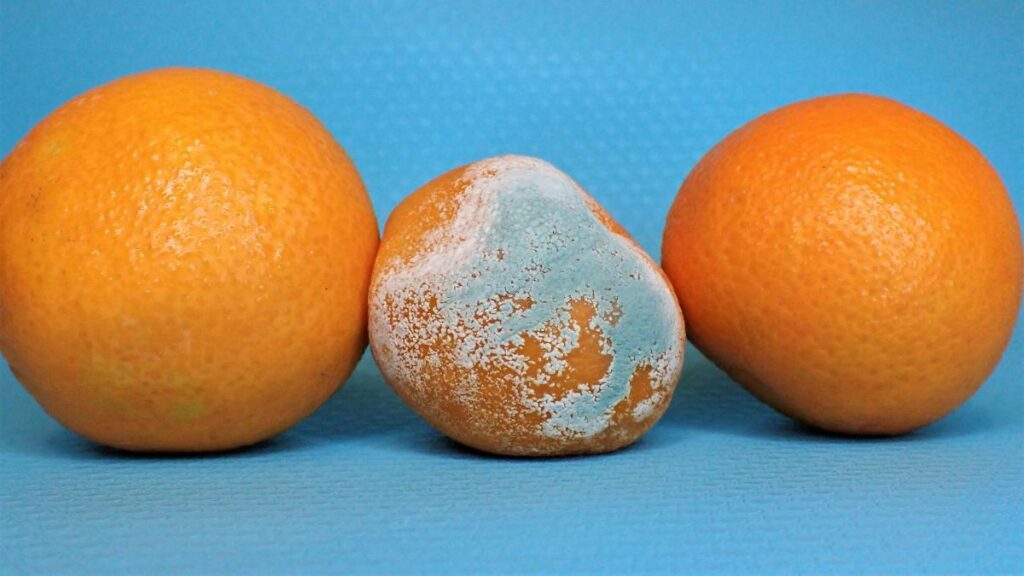
Watch for mold. This is the biggest maintenance issue with moist hides. If you see white or green fuzz growing on the moss, replace it immediately. You can reduce mold risk by not over-saturating the substrate and making sure the enclosure has decent airflow.
Signs Your Leopard Gecko Has Shedding Problems
Even with a moist hide, it’s good to know what shedding issues look like so you can catch them early.
Stuck shed on toes. This is the most common problem. You’ll see thin, papery skin wrapped tightly around individual toes. If left alone, it can cut off circulation and cause toe loss.
Shed around the eyes. Retained shed around the eye area can cause irritation and even infection if not removed carefully. If you see your gecko struggling with eye shed, a warm, damp cotton swab can help, but be very gentle.
Dull, patchy skin. If your gecko’s shed didn’t come off cleanly and you see patches of old skin still attached to the body, that’s retained shed.
Frequent incomplete sheds. If your gecko is consistently not shedding cleanly, that’s a sign the humidity in your moist hide isn’t high enough, or the hide isn’t being used. Check your setup.
If you notice stuck shed, don’t try to peel it off dry. Soak your gecko in lukewarm water (about 80 to 85°F) for 10 to 15 minutes to soften the skin first. Then gently work it off with a damp cotton swab or your fingers. If the stuck shed is severe or you’re not comfortable removing it, take your gecko to a reptile vet.
Frequently Asked Questions
Can I skip the moist hide if I mist the whole enclosure?
I wouldn’t recommend it. Misting the entire enclosure raises the overall humidity, which you don’t want to do long term for leopard geckos. Their ambient humidity should stay around 30% to 40%. A moist hide gives them a pocket of higher humidity without affecting the rest of the tank. That’s the whole point.
How humid should the moist hide be?
The humidity inside the moist hide can be around 70% to 80%. This is much higher than the 30% to 40% ambient humidity in the rest of the enclosure. You can check it with a small digital thermometer and hygrometer placed inside the hide.
Should I leave the moist hide in the tank all the time?
Yes. Leave it in there permanently. Your gecko will use it when they need it, not just during shedding. It provides comfort, hydration, and stress relief even when they’re not actively shedding.
My leopard gecko never goes in the moist hide. Is that normal?
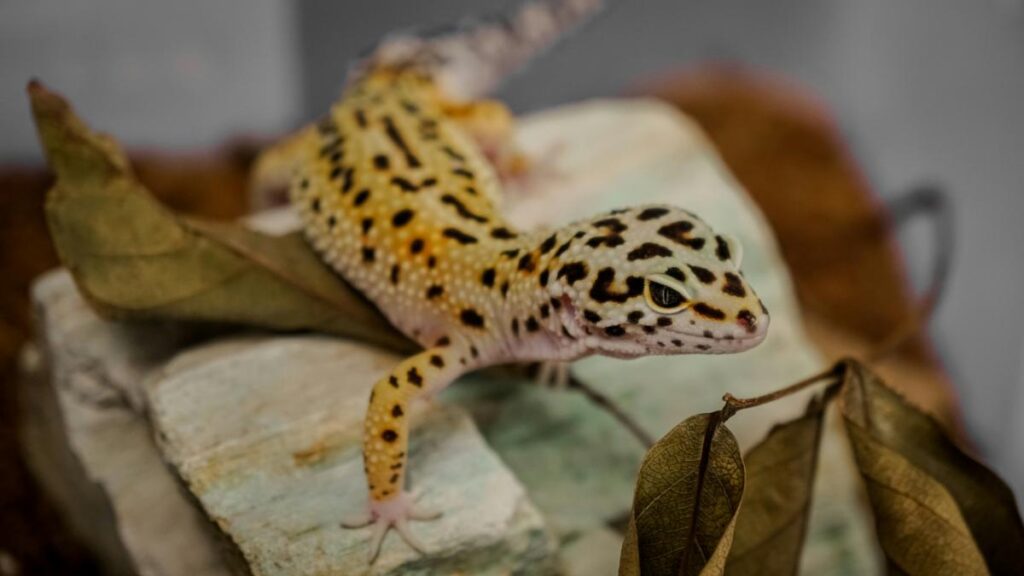
Some geckos are less interested in the moist hide than others, especially if they’re not currently shedding. Make sure the hide is snug (not too big), dark inside, and placed in a good location. If your gecko still avoids it, try a different style of hide or a different substrate. Some geckos prefer moss over paper towel or vice versa.
What’s the best substrate for a leopard gecko moist hide?
Sphagnum moss is the best option for most keepers. It holds moisture well, is natural, and is easy to replace. Zoo Med New Zealand Sphagnum Moss is a popular and reliable choice.
Conclusion
Here’s a quick recap of what we covered.
Leopard geckos absolutely need a moist hide. It’s essential for healthy shedding, hydration, stress reduction, and egg laying in females.
Even though leopard geckos live in arid environments, they naturally seek out humid microclimates in burrows and rock crevices. A moist hide recreates this in captivity.
Your leopard gecko should have three hides total: a warm hide, a cool hide, and a moist hide. Place the moist hide on the warm side or in the middle of the enclosure.
Use sphagnum moss as the substrate inside the moist hide. Keep it damp but not soaking wet. Check it daily and replace the moss every one to two weeks.
Watch for signs of stuck shed, especially on the toes and around the eyes. Stuck shed that builds up over time can cause real damage, including toe loss.
A proper moist hide is one of the cheapest and easiest things you can add to your leopard gecko’s setup, and it makes a massive difference in their quality of life. Don’t skip it.
Got questions about your leopard gecko’s moist hide setup? Drop them in the comments below! Catch you in the next one 🙂