Do Leopard Geckos Like to Be Held? (An Honest Answer)

This post may contain affiliate links, meaning I may earn a small commission at no extra cost to you if you make a purchase through my links. This helps support the blog! You can read my full Affiliate Disclaimer for more details.
Introduction
If you’re thinking about getting a leopard gecko, or you just brought one home, there’s a good chance you’re picturing it chilling in your hand or hanging out on your shoulder. So it’s fair to ask, do leopard geckos like to be held?
Here’s the honest answer. Leopard geckos don’t “like” being held the same way a dog or cat enjoys attention, because they don’t form emotional bonds the same way mammals do.
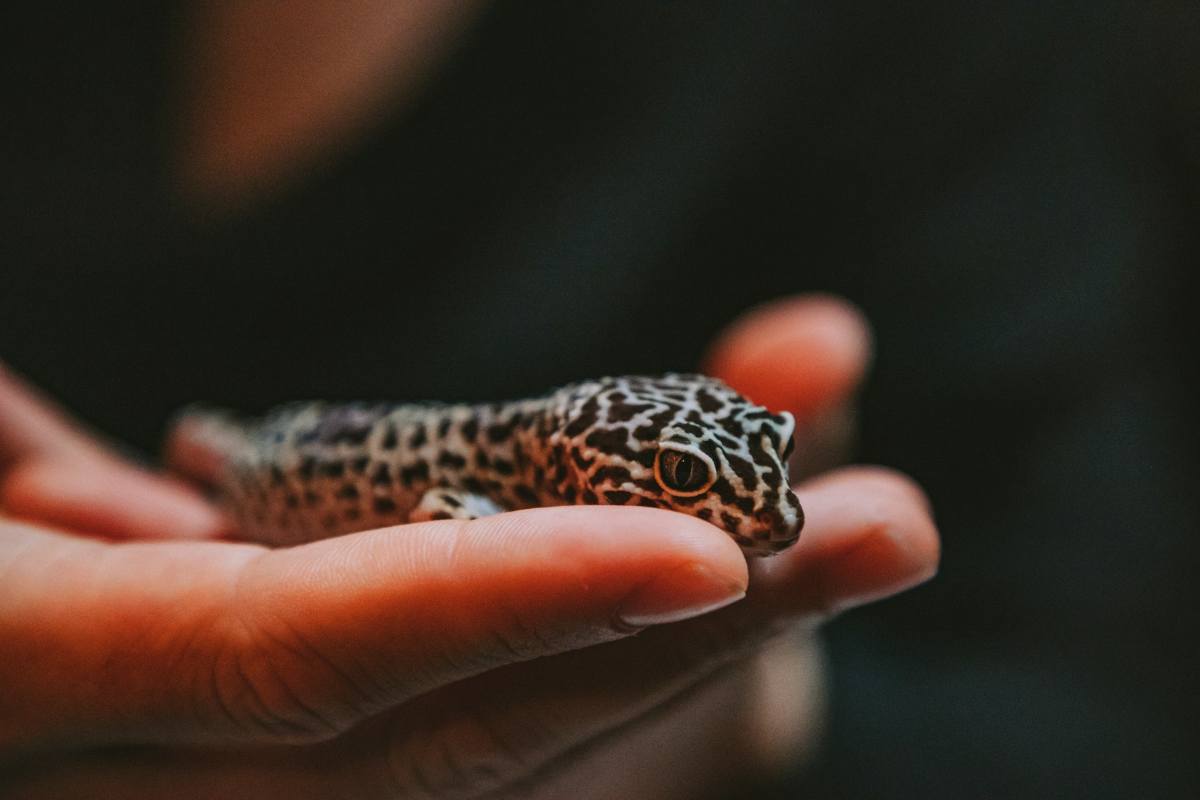
But a well-socialized leopard gecko can absolutely learn to tolerate and stay calm during handling, to the point where it feels comfortable and relaxed with you.
Some geckos even seem to enjoy the warmth of your hands and will happily sit and explore.
So while your leo won’t love you like a puppy, that doesn’t mean handling is off the table or pointless. It just means you have to understand what handling actually means to a leopard gecko and go about it the right way.
In this post, I’ll give you the real, non-sugar-coated answer, plus exactly how to build trust and handle your gecko so it stays calm and stress-free. Let’s dive in!
Do Leopard Geckos Actually Enjoy Being Held?
Let’s be real and clear about this, because it helps you have the right expectations.
Leopard geckos are solitary animals. In the wild, they live alone, don’t form social groups, and don’t seek out companionship.
They also don’t have the same emotional wiring that dogs and cats have, so they don’t feel affection or bond with you in that warm, cuddly way. This means a leopard gecko will never crave your attention or feel love for you the way a mammal pet might.
On top of that, leopard geckos are prey animals. In nature, a big shape looming over them and scooping them up usually means a predator. So their instinct is to see handling as a scary thing to escape from, not a treat to look forward to.
So when people ask whether leopard geckos like to be held, the technically accurate answer is no, they don’t like it in the emotional sense.
At best, a well-adjusted gecko is neutral or indifferent to being held. At worst, an unsocialized or stressed gecko can find it genuinely frightening.
But here’s where I push back a little on the doom and gloom you’ll read elsewhere. Indifferent is actually a fine and totally workable place to be.
A gecko that feels safe, calm, and neutral in your hands, that walks around exploring and doesn’t try to bolt, is a gecko you can have a nice, gentle relationship with. You just have to build up to it.
Plenty of experienced keepers have geckos that will happily sit in a warm hand for a while. That calm tolerance is the real goal, not forcing an animal to feel something it can’t.
Why Building Trust Matters
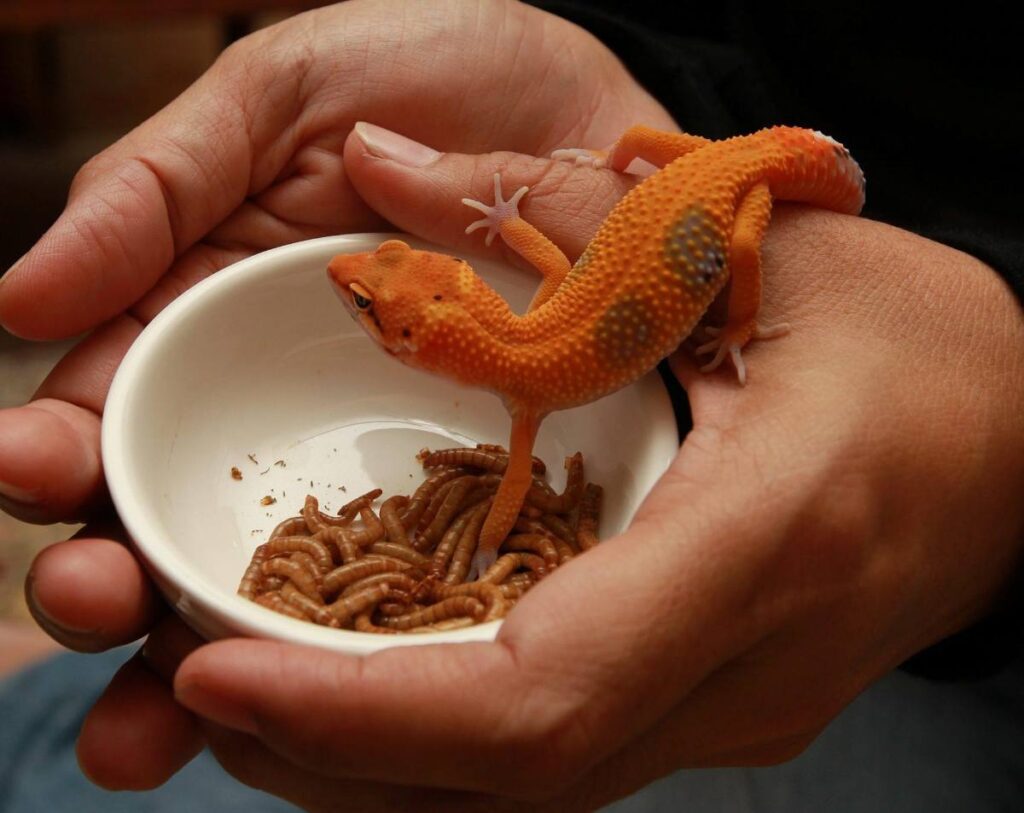
Even though your gecko won’t feel affection, it can learn who is safe and who is a threat. This is the key idea. Leopard geckos are capable of learning that you, and your hand, are not dangerous. Once your gecko learns that, handling stops being scary and becomes just another calm part of its day.
A gecko that has learned to trust you will be relaxed during handling, won’t try to frantically escape, will keep eating normally, and may even come out and investigate when you open the enclosure.
That is the difference between a stressed handling session and a positive one. Your entire job as a keeper is to build that trust patiently, so handling is calm rather than terrifying.
Rushing this is the single biggest mistake new owners make. If you grab a brand-new gecko and start handling it right away, you teach it that you’re a threat, and that makes every future session harder.
Patience up front saves you months of a skittish, stressed gecko down the road.
How to Get Your Leopard Gecko Used to Being Held
Here’s the step by step approach to building trust so your gecko stays calm and comfortable during handling.
Step 1: Wait Before You Handle at All
When you first bring your leopard gecko home, do not handle it for about two weeks. Your gecko needs time to settle into its new environment, feel safe, and start eating regularly.
Handling on top of the stress of a new home is too much. If your gecko hasn’t eaten anything by the end of those two weeks, hold off on handling and check in with a reptile vet.
Step 2: Let Your Gecko Get Used to Your Presence
During those first couple of weeks, your gecko is already learning about you through normal care.
You’re refilling water, offering food, and spot cleaning, so it’s getting familiar with your scent and presence. You can help this along by simply sitting near the enclosure and talking softly.
The goal is simply for your gecko to stop seeing you as a threat.
Step 3: Introduce Your Hand
After the two-week settling period, start putting your hand gently into the enclosure for a few minutes each evening, without grabbing your gecko.
Just let your hand rest there so your gecko can investigate it on its own terms and learn that it’s harmless. Avoid putting on lotion or scented hand products before doing this. Let your gecko approach your hand rather than chasing it.
Step 4: Start With Short Sessions
Once your gecko is comfortable with your hand nearby, you can begin actual handling. Start with sessions of about five minutes, every other day. The best way to pick up a leopard gecko is to gently scoop it up from underneath, supporting its whole body.
Never grab it from above, never squeeze, and never grab it by the tail, because leopard geckos can drop their tails when they feel threatened (and sadly, the regenerated tail does not look as aesthetically pleasing as the original)
Letting your gecko walk onto your open hand on its own is even better than scooping because it gives the gecko a sense of control, which lowers stress.
Step 5: Slowly Build Up
As your gecko gets more comfortable over the following weeks, you can gradually make sessions a little longer and more frequent, working up toward short daily handling if your gecko tolerates it well.
Always let your gecko’s comfort set the pace. Some geckos progress quickly, while others take months. Both are normal.
Handling Tips for a Calm, Stress Free Gecko
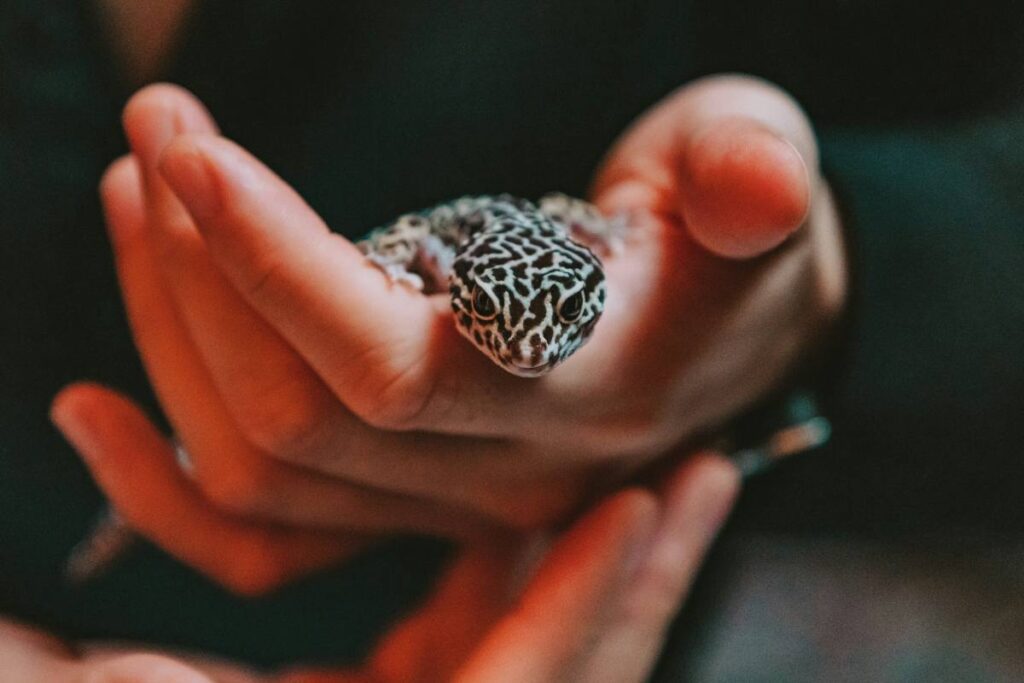
A few extra tips that make a big difference:
Stay low to the ground. Handle your gecko while sitting on the floor or over a soft surface. Leopard geckos can be jumpy, and a fall from height can seriously injure them. Staying low means a jump is no big deal.
Have warm hands. Leopard geckos are drawn to warmth. Warm hands feel much more inviting to them than cold ones, and a lot of geckos will happily settle into a warm palm.
Keep it quiet. Handle in a calm, quiet room. Loud noises, other pets, and lots of movement all raise your gecko’s stress.
Handle during their active hours. Leopard geckos are crepuscular, meaning they are most active around dawn and dusk. Many geckos are calmer and more willing to be handled in the evening when they’re naturally awake, though some are actually less skittish during the day when they’re sleepy. See what works for you.
Don’t handle during shedding. If your gecko is about to shed, its skin is dull, and it may be extra grumpy. Give it space until the shed is done.
Wash your hands. Always wash before and after handling, both to avoid transferring anything to your gecko and because reptiles can carry salmonella. This is especially important with kids.
Signs Your Leopard Gecko Is Comfortable (or Stressed)
Learning to read your gecko’s body language tells you whether it’s okay or whether you should put it back.
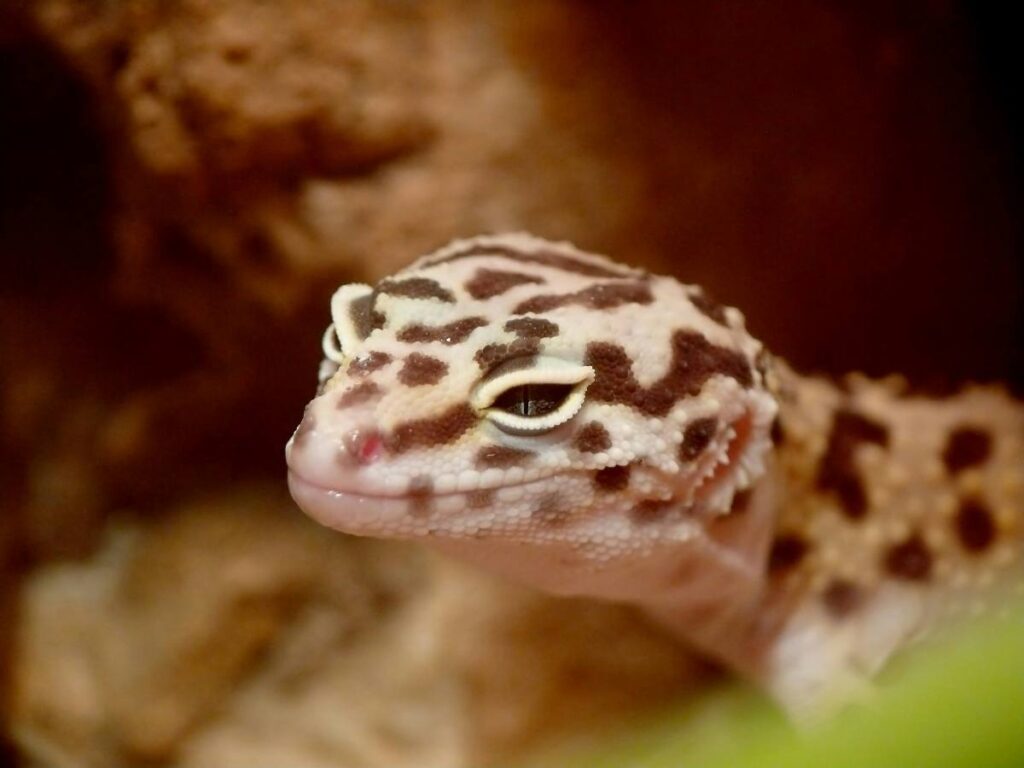
Signs your gecko is comfortable and calm include a relaxed body posture, slow and deliberate movements, calmly exploring your hand, and continuing to eat normally after sessions.
Signs your gecko is stressed and wants to go back include trying frantically to escape, squeaking or chirping, which usually means it’s unhappy with the situation, hissing, waving or rapidly flicking its tail, or in extreme cases, screaming, which is a defensive scare tactic.
If you see these stress signals, gently return your gecko to its enclosure and try again another day with a shorter session.
Respecting these signals is how you build trust instead of breaking it. Never force a session when your gecko is clearly stressed.
The Best Way to Show Your Gecko You Care
Here’s a mindset shift that helps a lot. Since your leopard gecko doesn’t need handling for happiness the way a dog needs walks and attention, the best way to care for it isn’t actually holding it. It’s giving it an excellent home.
A proper temperature gradient with a warm side around 90°F and a cool side around 75°F, plenty of hides so it feels secure, a moist hide for healthy shedding, and a clean, enriching enclosure do far more for your gecko’s wellbeing than handling ever could.
If you want to make sure your setup is dialed in, check out my guide on whether leopard geckos need a moist hide.
Handle your gecko because you enjoy the gentle interaction and it tolerates it well, not because you think it needs the attention. That mindset shift keeps you focused on what actually matters for your gecko’s health.
If you do handle, a couple of simple tools help.
A temperature gun lets you confirm your enclosure temps are right so your gecko is warm, healthy, and more willing to be calm, and a proper moist hide or reptile cave keeps your gecko secure and less stressed overall, which makes handling easier too.
Frequently Asked Questions
Do leopard geckos like to be held or does it stress them out?
It depends on the gecko and how it was socialized. A well-adjusted leopard gecko that has learned to trust you will stay calm and relaxed during handling rather than stressed, but it doesn’t feel affection or actively enjoy it like a mammal might.
An unsocialized or newly acquired gecko can find handling very stressful, which is why building trust slowly matters so much.
How often can I hold my leopard gecko?
For a calm, well-adjusted adult, short sessions a few times a week, up to once daily, are usually fine. A more skittish gecko might only tolerate handling once a week or less.
Always let your gecko’s comfort level set the frequency, and keep sessions short, around 10 to 15 minutes at most.
Can leopard geckos recognize their owners?
Leopard geckos can learn to recognize your scent and associate you with safety and food, so in that sense they do recognize you.
But this is learned trust and association, not the emotional bond or affection that dogs and cats form. Your gecko knows you’re not a threat, which is exactly what you want.
Why does my leopard gecko run away when I try to hold it?
This usually means your gecko hasn’t built up trust yet, is still new, or is being handled too much too soon. Slow down, go back to just resting your hand in the enclosure, and rebuild trust gradually. Some geckos are also naturally more skittish than others.
Do leopard geckos get attached to their owners?
Not in the emotional, affectionate way mammals do. Leopard geckos don’t form love-based bonds. However, they do learn to trust their keepers and recognize them as safe, which is the closest thing to attachment a leopard gecko experiences.
Conclusion
Here’s a quick recap of what we covered.
Do leopard geckos like to be held? Not in the emotional sense. They don’t feel affection or bond like dogs and cats, and they’re prey animals that instinctively find handling scary at first.
But a well-socialized leopard gecko can absolutely learn to stay calm, relaxed, and comfortable during handling. Calm tolerance, not affection, is the realistic and totally worthwhile goal.
Build trust slowly. Wait two weeks before handling a new gecko, let it get used to your presence and hand, then start with short five-minute sessions and build up gradually.
Handle gently, stay low to the ground, keep it calm and quiet, and always read your gecko’s body language. Put it back if it shows stress signals.
Remember that the best way to care for your gecko is a great enclosure, not handling. Hold your gecko because you both enjoy the calm interaction, not because it needs the attention.
Be patient and gentle, and over time, you may end up with a gecko that happily hangs out in your warm hand. Got a leopard gecko you’re working on socializing? Share your progress in the comments below! Catch you in the next one 🙂
Recommended Products Mentioned in This Post
Temperature Gun — Confirm your enclosure temps so your gecko stays warm, healthy, and calm during handling.
Reptile Cave / Moist Hide — Gives your gecko a secure place to retreat, lowering overall stress.