Can Leopard Geckos Eat Fruit? (The Clear Answer)

This post may contain affiliate links, meaning I may earn a small commission at no extra cost to you if you make a purchase through my links. This helps support the blog! You can read my full Affiliate Disclaimer for more details.
Introduction
You’re eating a piece of fruit, your leopard gecko is staring at you from its tank, and you start to wonder, could I share a little with my gecko? A tiny piece of banana can’t hurt, right???
So can leopard geckos eat fruit? NO, leopard geckos should not eat fruit. Leopard geckos are strict insectivores, which means their bodies are built to digest insects and nothing else. Fruit can actually cause them real harm, so it should never be part of their diet, not even as an occasional treat.
I know that’s not the fun answer, especially since you’ll see people feeding fruit to other reptiles like bearded dragons and crested geckos all the time (P.S. Honestly you shouldn’t feed fruit to your bearded dragons at all).
So in this post I’ll explain exactly why leopard geckos can’t eat fruit, what happens if they do, what they should be eating instead, and clear up some of the confusion around this topic.
The Short Answer: No, Leopard Geckos Cannot Eat Fruit
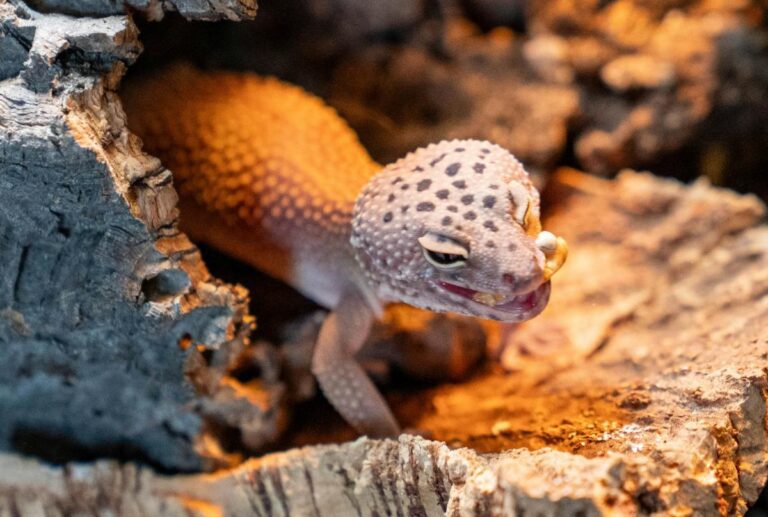
Leopard geckos are insectivores. In the wild, their entire diet is made up of insects and other small invertebrates. Their whole body, from their teeth to their gut, evolved to eat bugs, not plants.
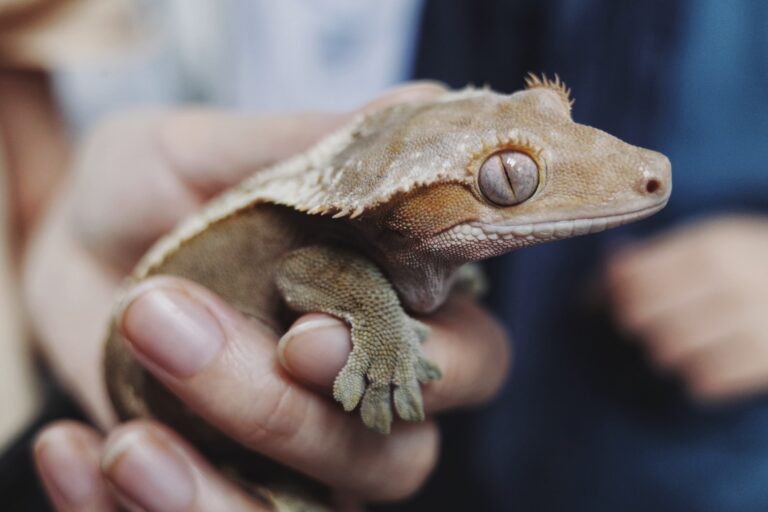
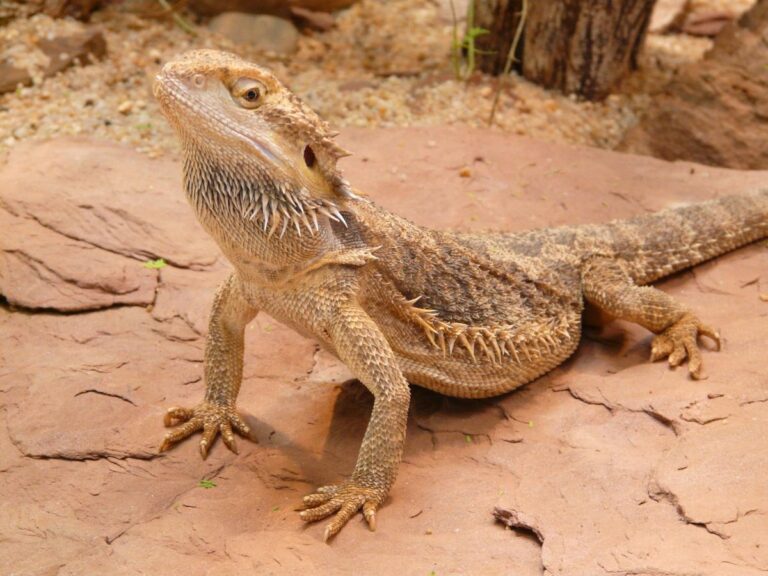
This is very different from some other popular pet reptiles. Bearded dragons are omnivores that eat both insects and plants. Crested geckos are frugivores that eat fruit and insects.
So it’s easy to see a friend feeding their crestie some fruit and assume your leo can have some too. But leopard geckos are not built the same way. What’s healthy for a crested gecko can be harmful for a leopard gecko. Never assume care advice transfers from one reptile to another.
So even though your leopard gecko might happily gobble up a piece of fruit if you offered it, and many of them will, that doesn’t mean it’s safe. Geckos aren’t too smart about what’s good for them…
It’s your job as the owner to feed them what their body actually needs.
Why Can’t Leopard Geckos Eat Fruit?
There are 3 main reasons fruit is bad for leopard geckos.
Their Digestive System Can’t Handle It
This is the biggest reason. Leopard geckos come from dry, arid regions and evolved a short, alkaline digestive system that’s perfect for breaking down insects.
Fruit contains cellulose, which is a type of plant fiber, and breaking down cellulose requires a longer, more acidic gut, the kind that plant eating animals have. Your leopard gecko simply doesn’t have the biological equipment to properly digest plant matter.
Fruit can sit in their system undigested and cause stomach upset, regurgitation, and digestive problems.
Learn how often leopard geckos should poop in this post!
The Sugar Is Harmful
Fruit is high in sugar, and leopard geckos are not designed to process sugar. Their insect based diet is naturally low in sugar and high in protein.
Feeding them sugary fruit can lead to digestive issues and other health problems over time. Even fruits that seem low in sugar are still too much for a leopard gecko’s system.
It Throws Off Their Calcium Balance

Leopard geckos need a careful balance of calcium to phosphorus to stay healthy and avoid metabolic bone disease, which is a serious and common illness in captive reptiles. Fruit can interfere with this delicate balance.
Some fruits contain compounds that block calcium absorption, and feeding fruit in place of proper, calcium dusted insects increases the risk of your gecko developing metabolic bone disease. This is a debilitating condition that’s much easier to prevent than to treat.
There’s also a fourth practical point. Leopard geckos can’t really chew. Their jaws are built to grab, crush, and swallow insect prey, not to grind down fibrous fruit into digestible pieces. So even the physical act of eating fruit isn’t something they’re equipped for.
What Happens If a Leopard Gecko Eats Fruit?
If your leopard gecko sneaks a tiny bit of fruit one time, don’t panic. A single small accidental nibble is unlikely to cause a medical emergency. Just don’t offer any more and monitor your gecko.
But fruit fed regularly, or in any real quantity, can cause a range of problems. Mild cases might show up as stomach upset or regurgitation, where your gecko throws up the food it couldn’t digest.
More serious or long term feeding of an inappropriate diet can lead to ongoing digestive issues, poor nutrient absorption, metabolic bone disease from the disrupted calcium balance, and in severe cases, irreversible illness.
So while one accidental bite isn’t cause for alarm, the message is simple. Fruit is not a treat, not a snack, and not an occasional option for leopard geckos. It just doesn’t belong in their diet at all.
What Should Leopard Geckos Eat Instead?
Here’s the good news. Feeding a leopard gecko is actually simple once you know the rule: feed insects, dust them with supplements, done. Let me break it down.
Staple Feeder Insects
These should make up the bulk of your gecko’s diet. Good staples include:
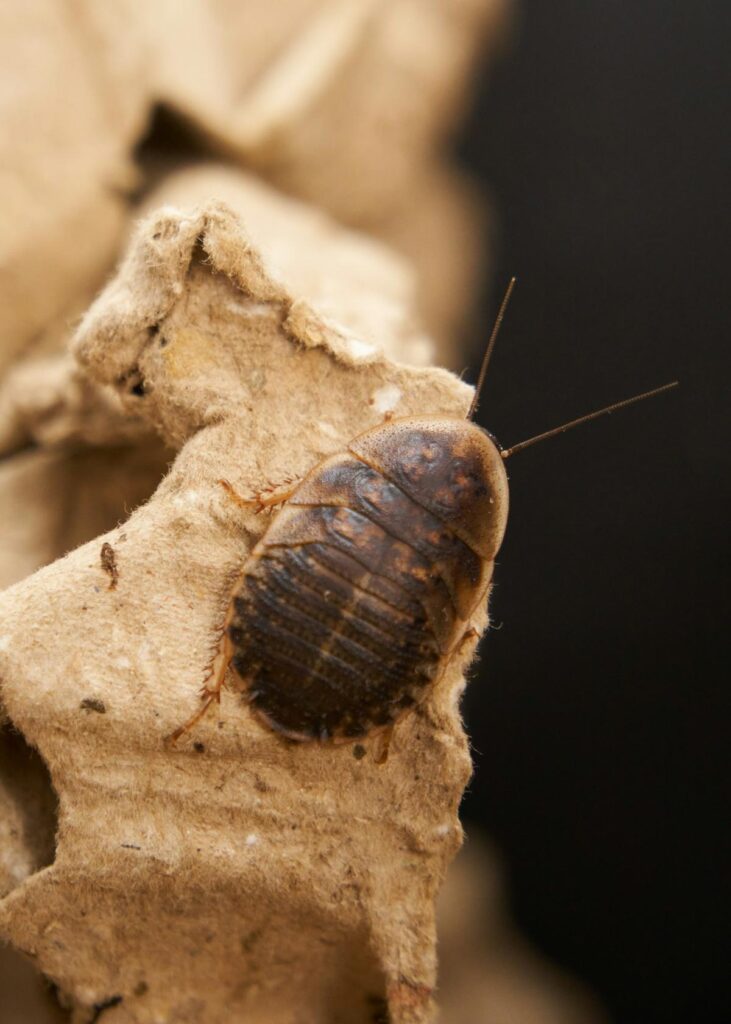
- Dubia roaches, which are one of the best options, high in protein and easy to digest.
- Crickets, a classic staple that most geckos love to hunt.
- Mealworms, a convenient staple, though a bit higher in fat and with a tougher shell.
- Black soldier fly larvae, also called Phoenix worms or Calci worms, which are naturally high in calcium.
Rotating a few different staple insects gives your gecko good variety and balanced nutrition. If you have a picky eater or want to learn more about feeding struggles, check out my post on why your leopard gecko won’t eat mealworms.
Treat Insects (Occasional Only)
Some insects are like candy, too high in fat to feed regularly but fine as an occasional treat. These include waxworms, butterworms, and superworms. Offer these sparingly, maybe once a week or less, so your gecko doesn’t get addicted and start refusing its staples.
Don’t Forget Supplements
This is the part that replaces any nutritional “gap” people worry about filling with fruit. Your gecko gets all its vitamins from properly supplemented insects, not from plants.
Dust your feeder insects with calcium powder at most feedings, use a calcium with D3 supplement a couple times a week, and add a reptile multivitamin about once a week. Rotate them so you’re not doubling up.
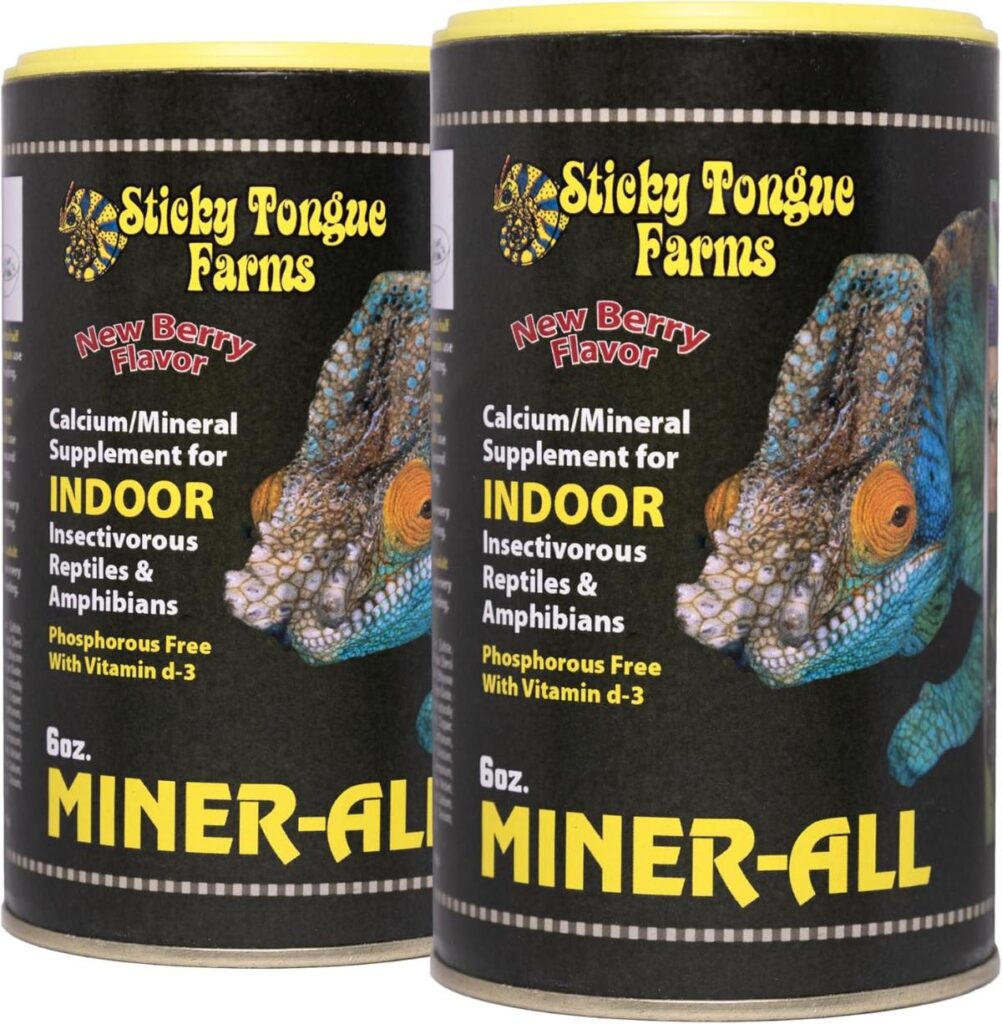
I personally just stick with the minerall calcium with D3 and multivitamin mix and rotate with another calcium powder without D3.
You should also gut load your insects, which means feeding the insects nutritious food before feeding them to your gecko. This way the good nutrition passes on to your leo. High quality insect feeder food and fresh vegetables can go a long way!
Between varied staple insects, proper supplementation, and gut loading, your leopard gecko gets everything it needs. There is no nutritional reason to ever add fruit.
What About Vegetables?
Since we’re on the topic, the answer for vegetables is exactly the same. Do NOT feed it to them.
Leopard geckos are strict insectivores and cannot properly digest vegetables any more than they can digest fruit. The same digestive limitations apply. So skip the veggies too. Your gecko’s diet is insects and supplements, full stop.
Clearing Up the Confusion
A lot of the confusion around this question comes from mixing up gecko species, so let me make it crystal clear.
Crested geckos and gargoyle geckos are frugivores. They eat fruit and insects, and they thrive on commercial fruit based diets. So if you’ve seen someone feeding fruit to their gecko, they very likely had a crested or gargoyle gecko, not a leopard gecko.
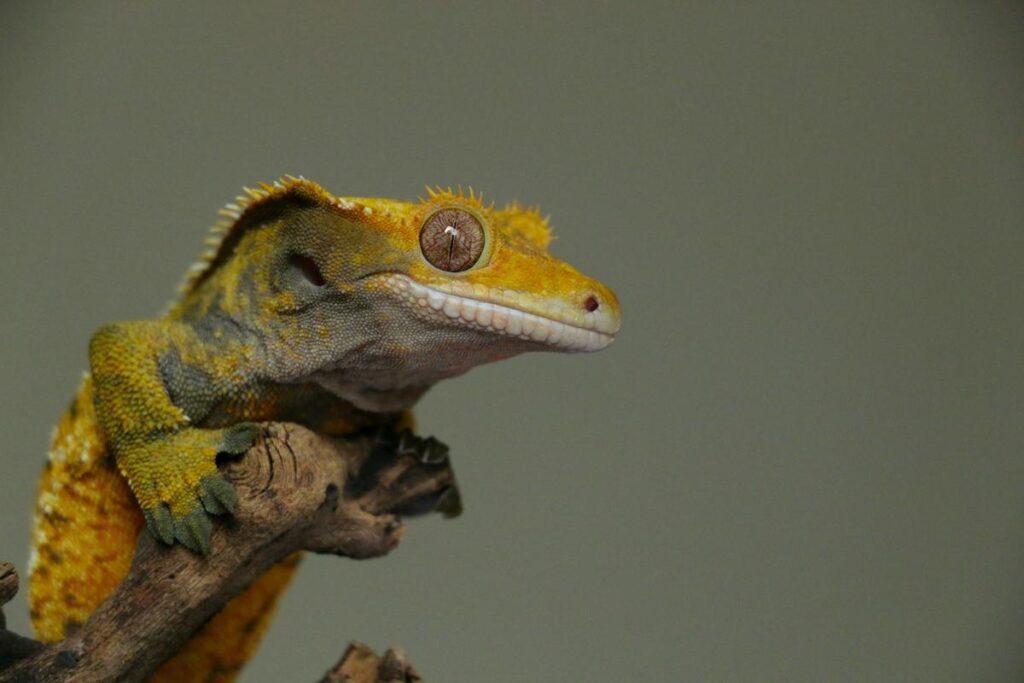
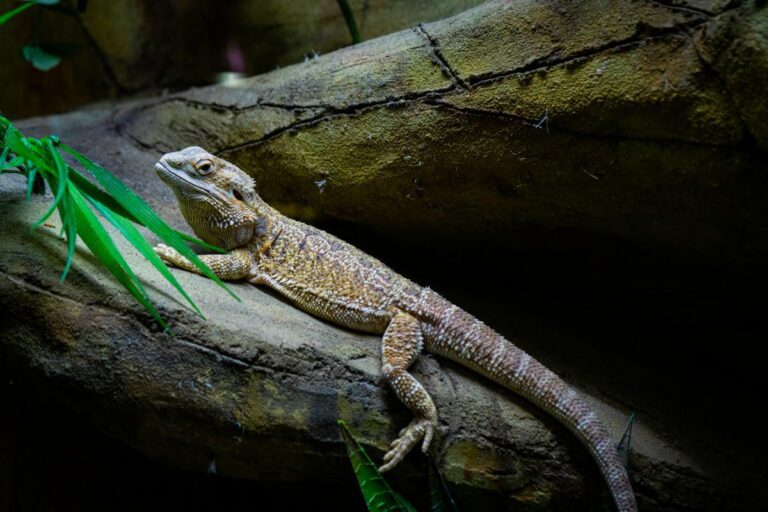
Bearded dragons are omnivores and eat both plants and insects, so beardie owners feed fruits and veggies regularly.
Leopard geckos are insectivores. This means insects ONLY. This is why you can’t just copy what another reptile owner does. Always look up specific care advice for your species, because feeding the wrong diet is one of the most common and most harmful mistakes new reptile keepers make.
Frequently Asked Questions
Can leopard geckos eat any fruit at all?
No. There is no fruit that is safe or appropriate for leopard geckos, including popular ones like banana, strawberry, apple, or melon. They are strict insectivores and cannot properly digest any fruit.
What happens if my leopard gecko accidentally ate fruit?
A single small accidental bite is unlikely to cause serious harm. Just don’t offer any more and keep an eye on your gecko for any digestive upset. The real danger comes from feeding fruit regularly or in larger amounts, which can cause digestive problems and metabolic issues over time.
Can leopard geckos eat vegetables?
No. Just like fruit, leopard geckos cannot properly digest vegetables. They are insectivores, so their diet should consist only of appropriate feeder insects and supplements.
Why do some geckos eat fruit but leopard geckos can’t?
It comes down to species. Crested geckos and gargoyle geckos are frugivores that naturally eat fruit, while leopard geckos are insectivores whose digestive systems are built only for insects. Different gecko species have very different dietary needs, so you can’t apply one gecko’s diet to another.
Do leopard geckos need fruit or vegetables for vitamins?
No. Leopard geckos get all the nutrients they need from properly gut loaded and supplemented insects. There’s no vitamin or nutrient they need that fruit or vegetables would provide. Proper calcium and multivitamin dusting covers everything.
Conclusion
Here’s a quick recap of everything we talked about!
Can leopard geckos eat fruit? No. Leopard geckos are strict insectivores, and fruit should never be part of their diet.
Fruit is harmful because their digestive system can’t break down plant matter, the sugar is bad for them, and it disrupts the calcium balance they need to avoid metabolic bone disease. They also can’t really chew fruit in the first place.
A single accidental bite isn’t an emergency, but fruit should never be offered on purpose, not even as a treat. The same goes for vegetables.
Instead, feed a variety of staple insects like dubia roaches, crickets, and black soldier fly larvae, offer fatty insects like waxworms only as rare treats, and always dust with calcium and multivitamins and gut load your feeders.
Most of the confusion comes from mixing up species. Crested geckos eat fruit, bearded dragons eat plant matter and insects, but leopard geckos eat insects only. Always check care advice for your specific animal.
Keep it simple, feed the insects, skip the fruit, and your leopard gecko will be happy and healthy. Got questions about your leo’s diet? Drop them in the comments below! See ya!
Recommended Products Mentioned in This Post
Rep-Cal Calcium Powder — Dust feeder insects at most feedings to support healthy bones.
Minerall Calcium With D3 Supplement — Use a couple times a week as part of your supplement rotation. (Highly recommended for most reptile keepers)
Rep-Cal Herptivite Multivitamin — Add about once a week for complete nutrition.