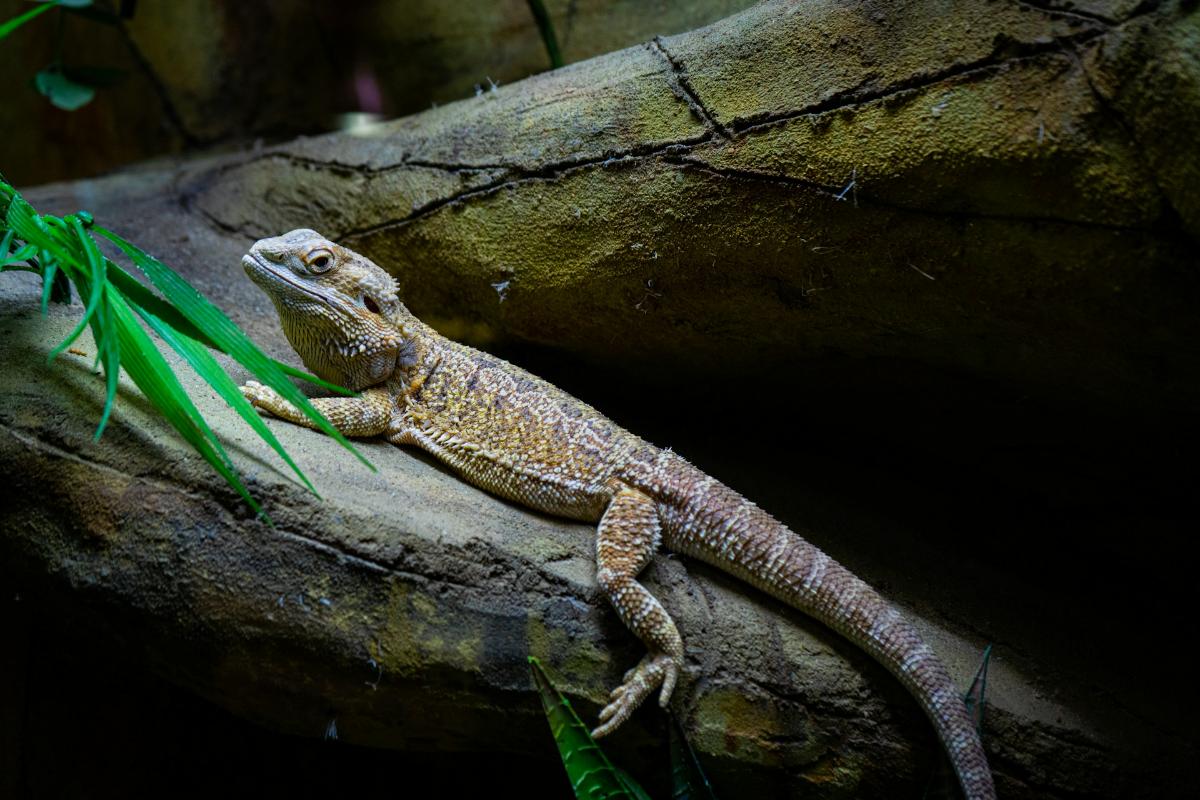
How Long Do Bearded Dragons Live? (Lifespan and How to Help Them Live Longer)

This post may contain affiliate links, meaning I may earn a small commission at no extra cost to you if you make a purchase through my links. This helps support the blog! You can read my full Affiliate Disclaimer for more details.
Introduction
Whether you already have a beardie or you’re thinking about getting one, it’s a good idea to know what you’re signing up for. Bearded dragons aren’t a short-term pet, and bringing one home is a real commitment. So how long do bearded dragons live?
Quick answer: Bearded dragons live around 8 to 12 years in captivity on average, with well-cared-for individuals often reaching 12 to 15 years. The oldest bearded dragon on record lived to 18 years old. In the wild, they live much shorter lives, usually just 5 to 8 years, because of predators and harsh conditions.
The most important thing to understand is that where your beardie lands in that range is largely up to you. Good care can add years to their life, and poor care can cut their lifespan in half.
Let’s jump in!
How Long Do Bearded Dragons Live in Captivity?
Most vets and experienced keepers agree that the average pet bearded dragon lives 8 to 12 years.
With excellent care, many beardies push past 12 years and reach 14 or 15. Poorly cared-for dragons, however, often don’t make it past 5 or 6 (i.e. obesity or metabolic bone disease)
According to veterinary sources, the single biggest factor in your beardie’s lifespan is husbandry, which is just a fancy word for the overall quality of care you provide.
The oldest bearded dragon ever recorded, according to Guinness World Records, was a beardie named Sebastian who lived to be 18 years old. That’s the exception, not the expectation, but it shows what’s possible with excellent care and good genetics.
How Long Do Bearded Dragons Live in the Wild?
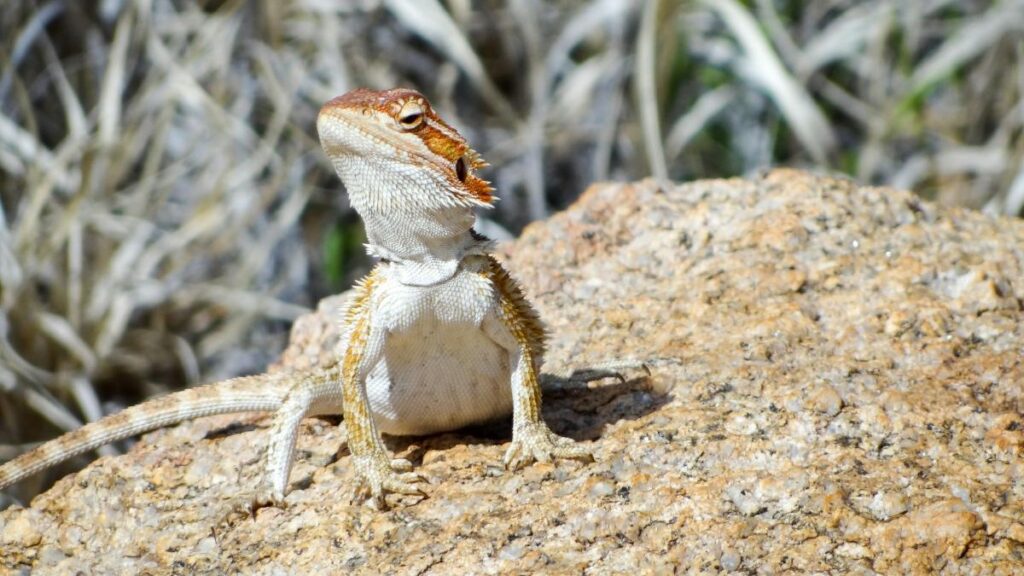
Interestingly, bearded dragons actually live longer in captivity than they do in the wild. Wild bearded dragons in their native central Australia typically only live 5 to 8 years.
Life in the wild is brutal. Wild dragons face constant predators like dingoes, large monitor lizards called perenties, and birds of prey.
They deal with food and water scarcity, extreme weather, and the physical toll of finding mates and defending territory. A wild bearded dragon that reaches 8 years old is genuinely old for its environment.
In captivity, your beardie has none of those threats. Reliable food, safe housing, stable temperatures, and access to veterinary care all add up to a significantly longer life.
This is actually a nice reminder that good captive care isn’t just keeping your dragon alive, it’s giving it a better and longer life than it would have had in nature.
What Affects a Bearded Dragon’s Lifespan?
Since so much of your beardie’s lifespan is in your hands, let’s examine what makes the difference. These are the factors that determine whether your dragon lives 6 years or 15.
Husbandry (The Big One)
Husbandry is the overall quality of care, and it’s the number one factor. This includes proper lighting, correct temperatures, the right enclosure size, good diet, and cleanliness.
Most life-threatening health problems in bearded dragons come back to poor husbandry. Get the basics right, and you’ve won most of the battle.
UVB Lighting
This is one of the most important and most commonly messed up parts of beardie care. Bearded dragons need UVB light to produce vitamin D3 and absorb calcium.
Without proper UVB, they develop metabolic bone disease, a painful and often fatal condition.
A quality UVB setup is not optional, it’s essential for a long life. Bulbs also need replacing every 6 to 12 months because their UVB output fades even when the light still turns on.
You can use a Solarmeter 6.5 to check the UVB output of your bulbs occasionally to ensure it is still delivering optimal UVB at various basking distances.
Temperature and Basking
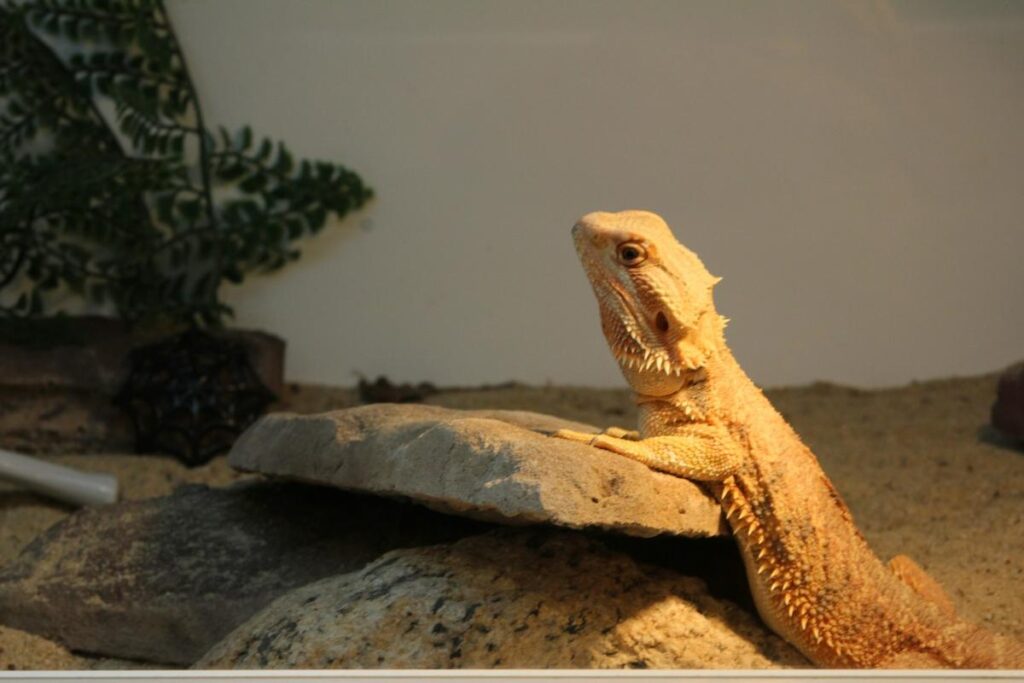
Bearded dragons need a proper temperature gradient with a hot basking spot (around 95 to 110°F for adults) and a cooler side. They rely on heat to digest food and run their metabolism. Incorrect temperatures lead to digestive problems and a weakened immune system over time.
Diet and Nutrition
A proper diet extends life, and a bad one shortens it. Young beardies need more protein from insects to grow, while adults need more greens.
Poor diet, too many fatty feeder insects, or a lack of calcium supplementation all take years off a dragon’s life. Dusting food with calcium and using the right feeders makes a real difference.
Enclosure Size
A cramped tank causes chronic stress, and chronic stress shortens lifespan. Adult bearded dragons need a large enclosure, at minimum a 4-foot by 2-foot footprint (around 120 gallons). Undersized tanks are one of the most common care mistakes and a real lifespan killer.
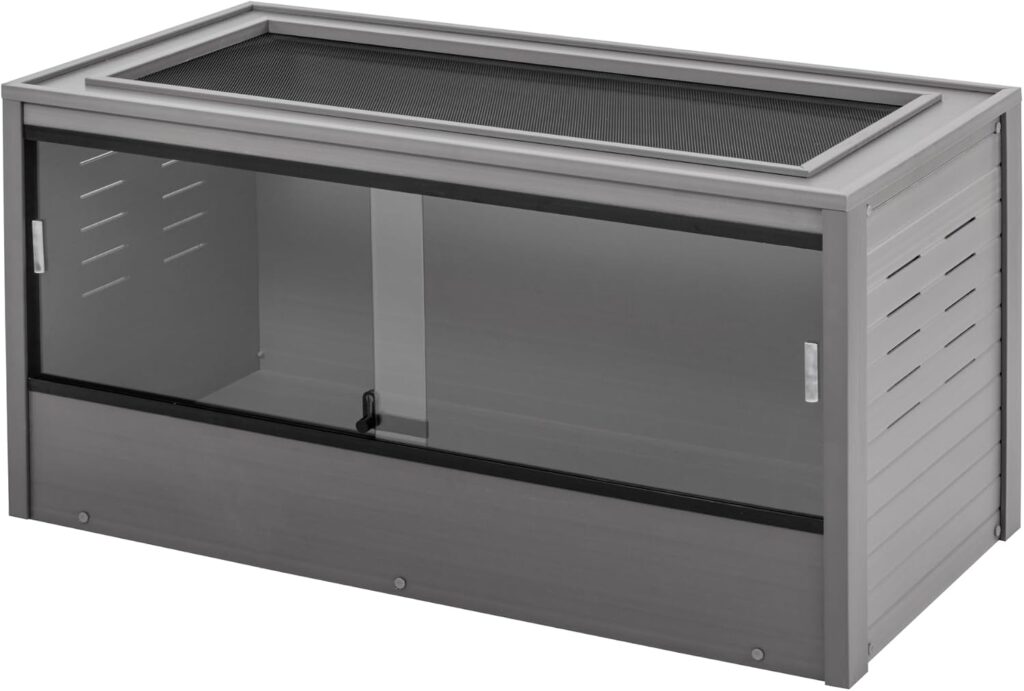
I find that the Mojave Reptile lounge has a nice 4 x 2 x 2 enclosure that is high quality and not too expensive!
Genetics and Morphs
Some of a beardie’s lifespan comes down to genetics, which you unfortunately cannot control. That being said, do your research to buy from a reputable breeder, and not a large chain pet store, as responsible breeding produces healthier animals.
Be aware that some morphs, like silkbacks, are bred for looks in ways that cause health problems and shorter lifespans. Standard and well-bred morphs tend to be hardier.
Gender and Breeding
Female bearded dragons that breed and lay eggs repeatedly tend to have shorter lifespans, because egg production is physically demanding on the body.
A female that isn’t bred generally lives longer. This is worth knowing if you’re choosing between a male and a female.
Veterinary Care
Regular checkups with a reptile vet catch problems early, before they become fatal. Annual visits are inexpensive compared to emergency treatment and are one of the most reliable ways to add years to your beardie’s life.
How to Help Your Bearded Dragon Live Longer
If you want your beardie to reach the top of that lifespan range, focus on these things.
Get your UVB right. Use a quality UVB light and replace the bulb every 6 to 12 months even if it still lights up. This single thing prevents metabolic bone disease, a leading cause of early death. A good UVB bulb (Arcadia 14% UVB Bulb and fixture) is one of the most important purchases you’ll make for your dragon.
Nail your temperatures. Provide a proper basking spot and temperature gradient, and check them with an accurate temperature gun and digital thermometer rather than guessing. Correct temperatures are essential for healthy digestion and immune function.
Feed a proper diet with supplements. Offer age-appropriate amounts of insects and greens, and dust food with calcium powder and a reptile multivitamin on a rotating schedule. Nutrition is a direct lifespan factor.
Give them enough space. House your adult bearded dragon in a large enclosure, at least a 4-by-2-foot footprint. More space means less stress and better health.
Keep it clean. Regular spot cleaning and enclosure maintenance prevent bacterial and fungal problems that can make your dragon sick.
See a reptile vet. Annual checkups catch issues early. Find a good exotic or reptile vet before you need one in an emergency.
Don’t overbreed females. If you have a female and aren’t a serious breeder, don’t breed her. It preserves her health and extends her life.
Do these consistently and you give your bearded dragon the best possible shot at a long, healthy life at the upper end of the range.
How Old Is My Bearded Dragon?
A lot of people adopt beardies without knowing their exact age. While you can’t know for certain, you can estimate based on size.
Bearded dragons grow fast in their first year, reaching close to their adult length of 16 to 24 inches by around 12 months.
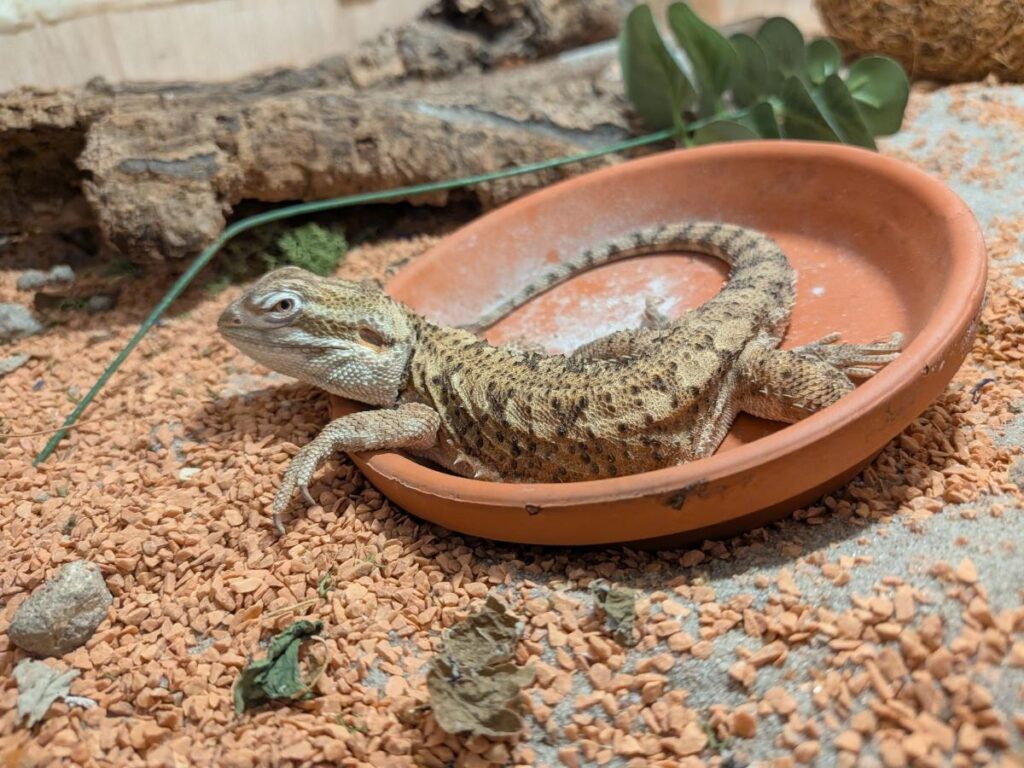
A full-grown beardie is at least a year old. Beyond that, once they’re adult-sized, it becomes very hard to tell age by appearance alone.
If you got your dragon from a breeder, they can tell you the hatch date. Otherwise, a reptile vet can give you a rough estimate based on overall condition.
Frequently Asked Questions
How long do bearded dragons live as pets?
Pet bearded dragons live around 8 to 12 years on average, with well-cared-for individuals often reaching 12 to 15 years. The oldest on record lived to 18. Quality of care is the biggest factor in how long your beardie lives.
Can bearded dragons live 20 years?
It’s extremely rare. The oldest bearded dragon ever recorded lived to 18 years, so 20 years would be exceptional and beyond anything officially documented. With excellent care and good genetics, reaching 14 to 15 years is a realistic best case for most beardies.
Do male or female bearded dragons live longer?
Males often live slightly longer on average, mainly because females that breed and lay eggs repeatedly experience physical stress that can shorten their lifespan. A female that isn’t bred can live just as long as a male.
Why do bearded dragons live longer in captivity than in the wild?
Captive bearded dragons avoid the predators, food scarcity, and harsh weather that wild dragons face. With reliable food, safe housing, stable temperatures, and vet care, captive beardies commonly live 8 to 12 years versus just 5 to 8 in the wild.
What is the most common cause of early death in bearded dragons?
Poor husbandry is the root of most early deaths, especially inadequate UVB lighting leading to metabolic bone disease, incorrect temperatures, poor diet, and undersized enclosures. The good news is that these are all things you can control.
Conclusion
Here’s a quick recap of all that we covered.
Bearded dragons live, on average, 8 to 12 years in captivity, with great care often pushing that to 12 to 15 years. The oldest on record reached 18. In the wild, they only live 5 to 8 years due to predators and harsh conditions.
The single biggest factor in your beardie’s lifespan is the quality of care you provide.
Proper UVB lighting, correct temperatures, a good diet with supplements, a large enclosure, cleanliness, and regular vet visits all add years to their life.
A bearded dragon is a 10 to 15 year commitment when cared for properly, so go in prepared for the long haul.
While we can’t control a single dragon’s genetics, there is a lot still in our control. Give your dragon excellent care and you’re giving it the best shot at a long, healthy life by your side.
Got a beardie you’ve had for years, or questions about caring for a new one? Drop them in the comments below! Catch you in the next one 🙂
Recommended Products Mentioned in This Post
Solarmeter 6.5 — Great tool used to check UVB output of UVB bulbs to ensure proper, optimal output at varying distances. (Shows you when you need to replace a UVB bulb)
Mojave Reptile Lounge (ECOFLEX 48″ Wide Large Reptile Habitat) — Great size enclosure for a bearded dragon’s long-term home
Arcadia T5 UVB Reptile Light Fixture Kit 24″ Long 24 Watts 14% UVB Dragon — Essential for preventing metabolic bone disease. Replace every 6 to 12 months, or use Solarmeter 6.5 to check as needed
Temperature gun — Confirm your basking spot temperatures are correct.
Digital thermometer and hygrometer — Better used to get ambient air temperature in an enclosure. I like to put this on the cool side under a rock (so that the air temperature isn’t affected by light energy)
Minerall Calcium Powder with D3 — Dust feeders to support healthy bones and prevent MBD. Can also consider getting a calcium powder without D3 to rotate with, so you’re not adding D3 every single time.
Rep-Cal Herptivite Multivitamin— Rotate with calcium for complete nutrition.